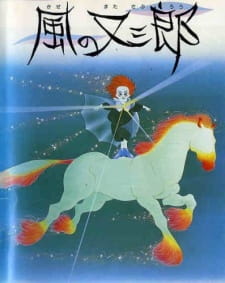



Back
About
Miyazawa was born in what is now Hanamaki city, Iwate Prefecture as the eldest son of a wealthy pawnbroker. From an early age, he was disturbed by what he perceived to be the social inequity between his well-to-do family and the impoverished farmers in the area from whom his family profited by lending them money.
From 1926 until his death in 1933, Miyazawa struggled to improve the material and spiritual life of the impoverished peasants of his native Iwate. He introduced new agricultural techniques and new varieties of seeds. He left his position as instructor at Hanamaki Agriculture School in 1926 to establish the Rasu Farmers Association. At the detached house of his family, where he was staying at the time, he gathered a group of youths from nearby farming families and lectured on agronomy. The association also engaged in plays, music, and other cultural activities.
His writings from this period show sensitivity for the land and for the people who work in it. A prolific writer of children's stories, many that appear superficially to be light or humorous, all contain stories intended for moral education of the reader. He wrote some works in prose and some stage plays for his students and left behind a large amount of tanka and free verse, most of which was discovered and published posthumously. His poetry, which has been translated into numerous languages, has a considerable following to this day. A number of his children’s works have been made into animated movies (anime) in Japan.
(Source: Wikipedia)
Staff credits 22
-
Gauche the Cellist Original creator Movie · 1982
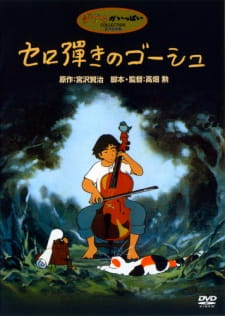
-
Spring and Chaos Original creator Movie · 1996
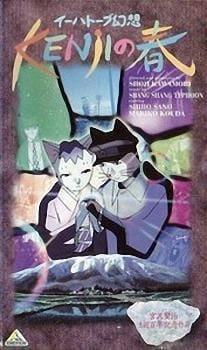
-
The Nighthawk Star Original creator Movie · 2013
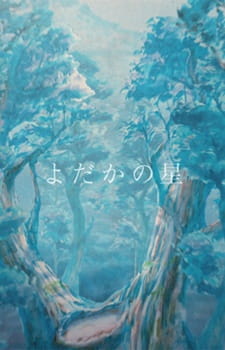
-
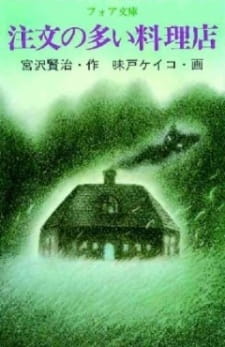
Chuumon no Ooi Ryouriten (1991) Original creator Movie · 1991
-
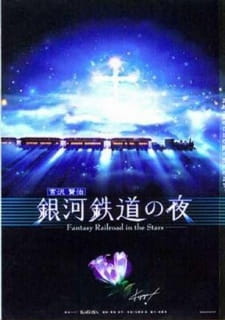
Ginga Tetsudou no Yoru: Fantasy Railroad in the Stars Original creator Movie · 2006
-
3-tsu no Hanashi Original creator 1960
-
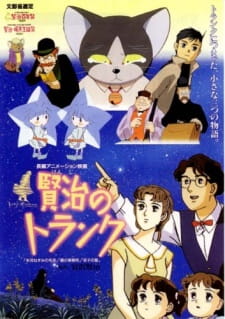
Kenji no Trunk Original creator Movie · 1996
-
Cello Hiki no Gauche Original creator Movie · 1963
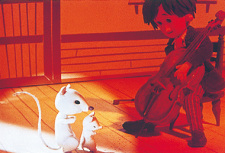
-
Donguri to Yamaneko (1995) Original creator OVA · 1995
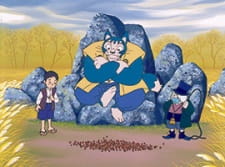
-
Cello Hiki no Gauche (OVA) Original creator OVA · 1998
-
Yukiwatari Original creator Movie · 1994
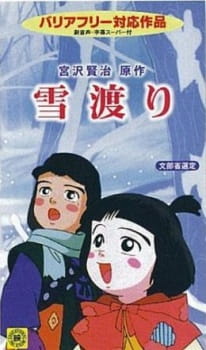
-
The Life of Budori Gusuko Original creator Movie · 2012
-
The Night of Taneyamagahara Original creator Movie · 2006
-
MATASABURO of the Wind Original creator Movie · 2016
-
Dancer of Vermicular Original creator Movie · 2004
-
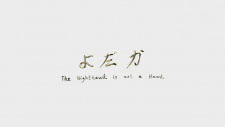
The Nighthawk Is Not a Hawk Original creator Movie · 2023
-
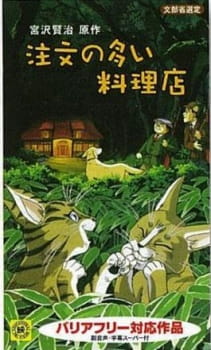
Chuumon no Ooi Ryouriten (1993) Original creator Movie · 1993
-
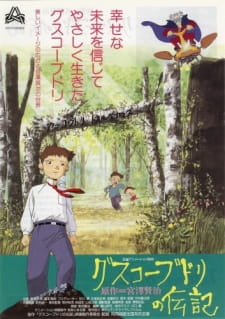
The Life of Guskou Budori Original creator Movie · 1994
-
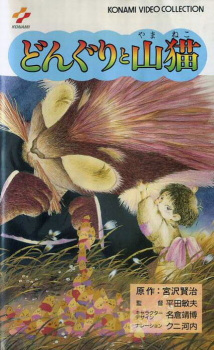
Miyazawa Kenji Collection - The Acorns and the Wildcat Original creator OVA · 1988
-
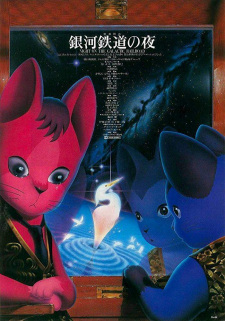
Night on the Galactic Railroad Original creator Movie · 1985
-
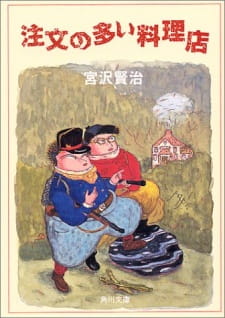
Chuumon no Ooi Ryouriten Original creator Movie · 1958
-
Kaze no Matasaburou Original creator OVA · 1988