


Back
About
Takanori Arisawa (April 2, 1951 - November 26, 2005) was a Japanese composer and arranger from Tokyo. He wrote the background music for several notable anime, including the award-winning soundtrack of the Sailor Moon anime series.
He died of bladder cancer at 54 years of age.
As the Music Director for Sailor Moon, Arisawa's first award was the 1993 Golden Disk Grand Prize from Columbia Records. He continued to compose for the entire anime series, plus several video games and some of the stage musicals. In 1998, 2000, and 2001 he won the JASRAC International Award for most international royalties, owing largely to the popularity of Sailor Moon music in other nations.
Arisawa expressed an admiration of Hollywood-style music, drawing his initial inspiration for the tone of the Sailor Moon soundtrack from the Charlie's Angels TV series. He frequently made use of symbolism when writing themes for specific characters or groups, borrowing thematic elements from diverse genres and from other countries. As the series progressed, his music gravitated from a pop feeling toward more classical arrangements to represent the protagonist having passed through painful experiences and grown as a person.
Source: Wikipedia
Staff credits 36
-
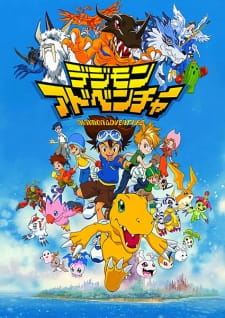
Digimon: Digital Monsters Music TV · 1999
-
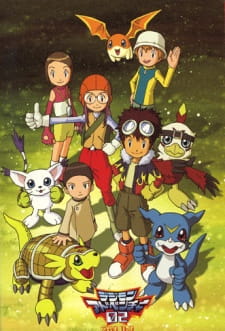
Digimon Adventure 02 Music TV · 2000
-
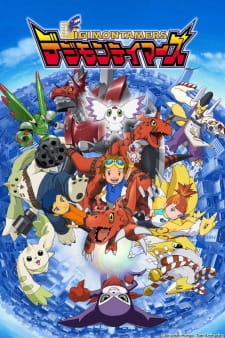
Digimon Tamers Music TV · 2001
-
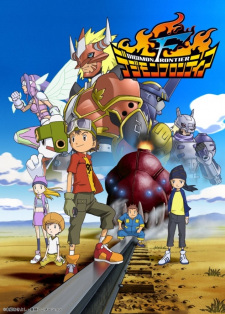
Digimon Frontier Music TV · 2002
-
Wowser Music TV · 1988

-
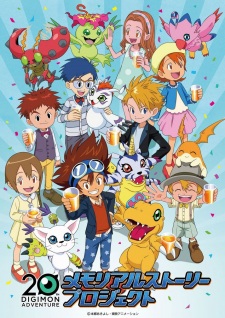
Digimon Adventure: 20th Memorial Story Music ONA · 2019
-
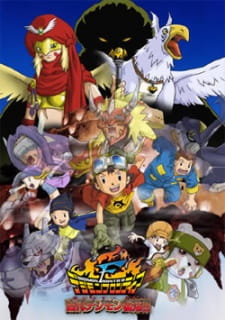
Digimon Frontier: Island of Lost Digimon Music Movie · 2002
-
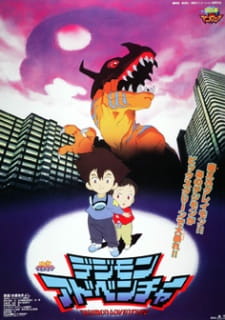
Digimon: The Movie Music Movie · 1999
-
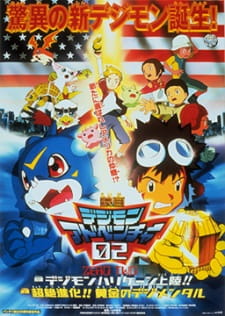
Digimon Movie 02 - Digimon Hurricane Touchdown! Supreme Evolution! The Golden Digimentals. Music Movie · 2000
-
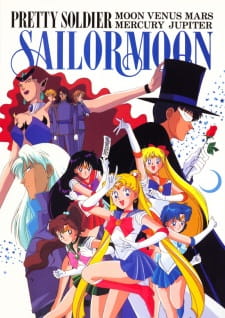
Sailor Moon Music TV · 1992
-
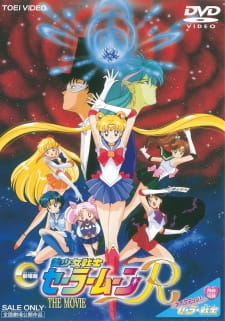
Sailor Moon R: The Movie - The Promise of the Rose Music Movie · 1993
-
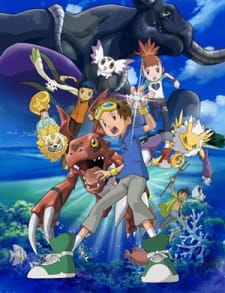
Digimon Tamers: Battle of Adventurers Music Movie · 2001
-
Digimon Tamers: Runaway Locomon Music Movie · 2002

-
Digimon: The Movie Music Movie · 2000
-
Digimon Adventure 02: Revenge of Diaboromon Music Movie · 2001
-
Sailor Moon S Music TV · 1994
-
Crayon Kingdom of Dreams Theme song composition, Music TV · 1997
-
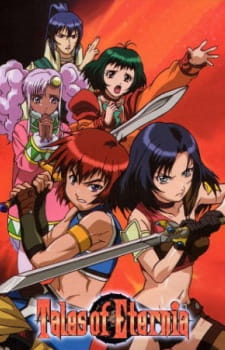
Tales of Eternia Music TV · 2001
-
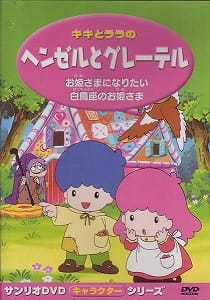
Kiki to Lala no Hansel to Gretel Music OVA · 1993
-
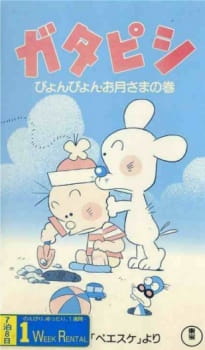
Gatapishi Music TV · 1990
-
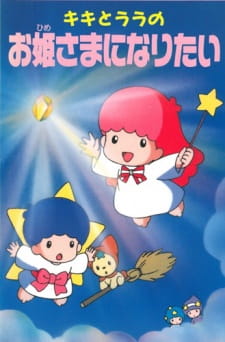
Kiki to Lala no Ohimesama ni Naritai Music OVA · 1993
-
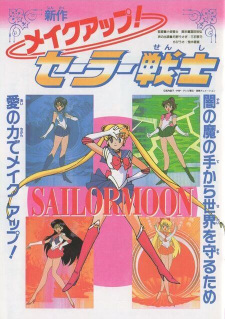
Sailor Moon R: Make Up! Sailor Guardians Music Special · 1993
-
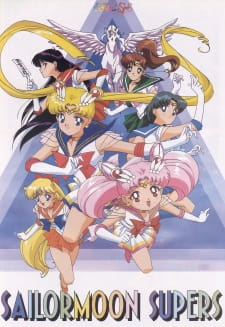
Sailor Moon SuperS Music TV · 1995
-
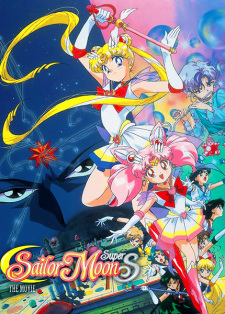
Sailor Moon SuperS the Movie: Black Dream Hole Music Movie · 1995
-
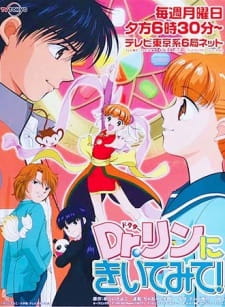
Dr. Rin ni Kiitemite! Music TV · 2001
-
Bikkuriman Music TV · 1987
-
Sailor Moon SuperS Specials Music Special · 1995
-
Super Bikkuriman Music TV · 1992
-
Sailor Moon SuperS Plus: Ami's First Love Music Special · 1995
-
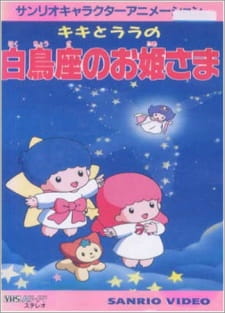
Kiki to Lala no Hakuchouza no Ohimesama Music OVA · 1993
-
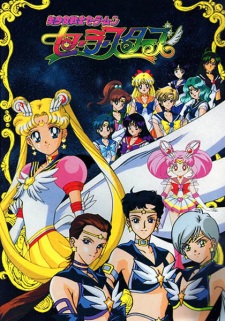
Sailor Moon Sailor Stars Music TV · 1996
-
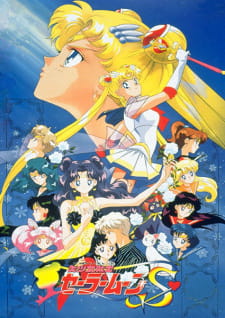
Sailor Moon S Movie: Hearts in Ice Music Movie · 1994
-
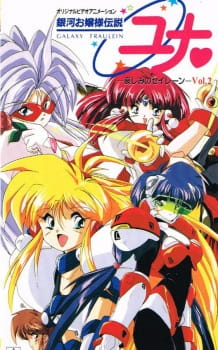
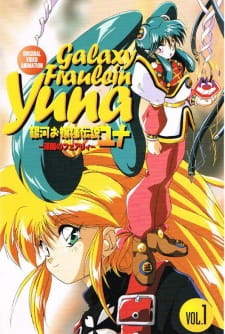
Galaxy Fraulein Yuna Theme song composition, Music OVA · 1995
-
Galaxy Fraulein Yuna Returns Theme song composition, Music OVA · 1996
-
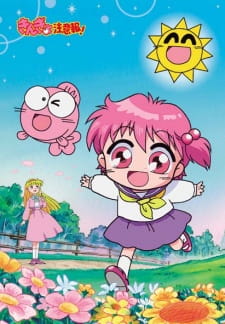
Goldfish Warning! Music TV · 1991
-
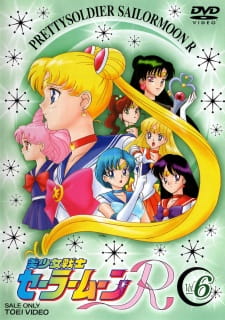
Sailor Moon R Music TV · 1993