Volver
Acerca de
Died: January 28, 1998 (aged 60)
Shoutarou Ishinomori was an influential figure in manga, anime, and tokusatsu who created several immensely popular long-running series such as Cyborg 009, what would go on to become the Super Sentai series and the Kamen Rider Series. He was twice awarded by the Shogakukan Manga Award, in 1968 for Sabu to Ichi Torimono Hikae and in 1988 for Hotel and Manga Nihon Keizai Nyumon. He was born and named Shoutarou Onodera (小野寺 章太郎) in Tome, Miyagi, and was also known as Shoutarou Ishimori (石森 章太郎) before 1986, when he changed his family name to Ishinomori with "ノ".
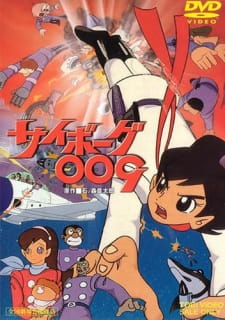
Cyborg 009, created in 1963, became the first superpowered hero team created in Japan. That same year, Kazumasa Hirai and Jiro Kuwata created Japan's first cyborg superhero, 8 Man (which predated Kamen Rider by eight years). The success of the tokusatsu superhero TV series Kamen Rider, produced by Toei Company Ltd. in 1971, led to the birth of the "Transforming" (henshin) superhero (human-sized superheroes who transform by doing a pose, and use martial arts to fight henchmen and the weekly monster), and resulted in many sequel shows to this day. Ishinomori then created many similar superhero dramas, which were once again all produced by Toei or in Sarutobi Ecchan's case Toei Animation, including Android Kikaider , Henshin Ninja Arashi, Inazuman, Robotto Keiji, Secret Task Force Goranger (the first Super Sentai series), Kaiketsu Zubat, Akumaizer 3, Sarutobi Ecchan, the Toei Fushigi Comedy Series and countless others. He even created popular children's shows such as Hoshi no Ko Chobin (Chobin, Child of the Stars, 1974, a co-production with Studio Zero which was a major success on Italian television), and Ganbare!! Robokon.
Ishinomori's art is quite reminiscent of that of his mentor, Osamu Tezuka. The true story of his first meeting with Tezuka was illustrated in a short four-page tale drawn up as supplementary material for the 1970s Astro Boy manga reprints. Around 1955, Ishinomori submitted work to a contest seeking new talent in the magazine, Manga Shonen. Tezuka was impressed by his drawings and asked Ishinomori to help him with Astro Boy. In the American release, this story can be seen in Volume 15, along with Ishinomori's earliest work on the "Electro" story arc.
Ishinomori also illustrated a comic adaptation of the Super NES video game The Legend of Zelda: A Link to the Past, which was produced for the American publication Nintendo Power. The comic consisted of 12 chapters, which were serialized from January 1992 (Volume 32) to December 1992 (Volume 43). The comic was republished as a graphic novel collection in 1993.
Ishinomori died of heart failure on January 28, 1998, just 3 days after his 60th birthday. His final work was the tokusatsu superhero TV series, Voicelugger, televised a year later. Two years later, the Kamen Rider Series would be revived with Kamen Rider Kuuga. All of the series made in the Heisei period credit Ishinomori as the creator. The Ishinomori Manga Museum named in his honor opened in Ishinomaki, Miyagi in 2001.[2] Special trains in the Senseki Line were commissioned featuring his artwork generally leading to the museum.
His work posthumously awarded him the Guinness World Record for most comics published by one author, totaling over 128,000 pages.
(Source: Wikipedia)
Shoutarou Ishinomori was an influential figure in manga, anime, and tokusatsu who created several immensely popular long-running series such as Cyborg 009, what would go on to become the Super Sentai series and the Kamen Rider Series. He was twice awarded by the Shogakukan Manga Award, in 1968 for Sabu to Ichi Torimono Hikae and in 1988 for Hotel and Manga Nihon Keizai Nyumon. He was born and named Shoutarou Onodera (小野寺 章太郎) in Tome, Miyagi, and was also known as Shoutarou Ishimori (石森 章太郎) before 1986, when he changed his family name to Ishinomori with "ノ".
Cyborg 009, created in 1963, became the first superpowered hero team created in Japan. That same year, Kazumasa Hirai and Jiro Kuwata created Japan's first cyborg superhero, 8 Man (which predated Kamen Rider by eight years). The success of the tokusatsu superhero TV series Kamen Rider, produced by Toei Company Ltd. in 1971, led to the birth of the "Transforming" (henshin) superhero (human-sized superheroes who transform by doing a pose, and use martial arts to fight henchmen and the weekly monster), and resulted in many sequel shows to this day. Ishinomori then created many similar superhero dramas, which were once again all produced by Toei or in Sarutobi Ecchan's case Toei Animation, including Android Kikaider , Henshin Ninja Arashi, Inazuman, Robotto Keiji, Secret Task Force Goranger (the first Super Sentai series), Kaiketsu Zubat, Akumaizer 3, Sarutobi Ecchan, the Toei Fushigi Comedy Series and countless others. He even created popular children's shows such as Hoshi no Ko Chobin (Chobin, Child of the Stars, 1974, a co-production with Studio Zero which was a major success on Italian television), and Ganbare!! Robokon.
Ishinomori's art is quite reminiscent of that of his mentor, Osamu Tezuka. The true story of his first meeting with Tezuka was illustrated in a short four-page tale drawn up as supplementary material for the 1970s Astro Boy manga reprints. Around 1955, Ishinomori submitted work to a contest seeking new talent in the magazine, Manga Shonen. Tezuka was impressed by his drawings and asked Ishinomori to help him with Astro Boy. In the American release, this story can be seen in Volume 15, along with Ishinomori's earliest work on the "Electro" story arc.
Ishinomori also illustrated a comic adaptation of the Super NES video game The Legend of Zelda: A Link to the Past, which was produced for the American publication Nintendo Power. The comic consisted of 12 chapters, which were serialized from January 1992 (Volume 32) to December 1992 (Volume 43). The comic was republished as a graphic novel collection in 1993.
Ishinomori died of heart failure on January 28, 1998, just 3 days after his 60th birthday. His final work was the tokusatsu superhero TV series, Voicelugger, televised a year later. Two years later, the Kamen Rider Series would be revived with Kamen Rider Kuuga. All of the series made in the Heisei period credit Ishinomori as the creator. The Ishinomori Manga Museum named in his honor opened in Ishinomaki, Miyagi in 2001.[2] Special trains in the Senseki Line were commissioned featuring his artwork generally leading to the museum.
His work posthumously awarded him the Guinness World Record for most comics published by one author, totaling over 128,000 pages.
(Source: Wikipedia)
Papeles de voz 1

Créditos de producción 45
-
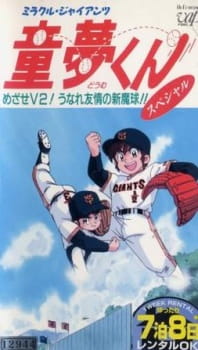
Miracle Giants Doumu-kun Creador original TV · 1989
-
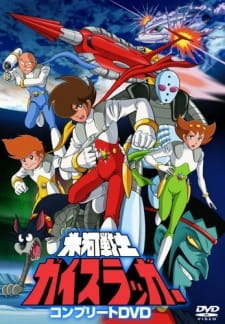
Hyouga Senshi Gaislugger Creador original TV · 1977
-
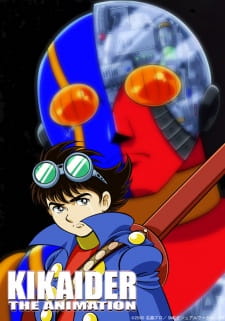
Android Kikaider - The Animation Creador original TV · 2000
-
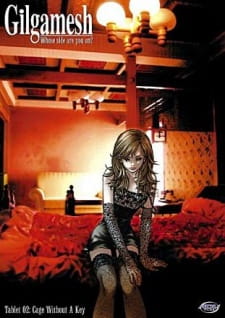
Gilgamesh Creador original TV · 2003
-
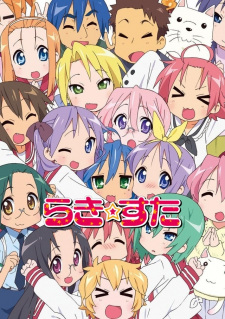
Lucky☆Star Letra del tema TV · 2007
-
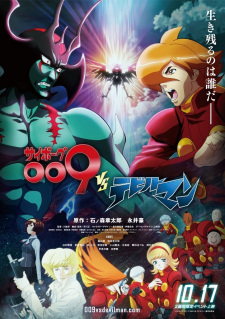
Cyborg 009 VS Devilman Creador original OVA · 2015
-
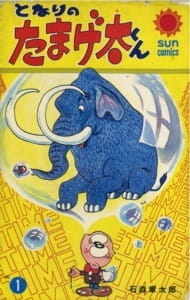
Tonari no Tamageta-kun Guion, Creador original TV · 1974
-
The Skull Man Creador original TV · 2007
-
Cyborg 009 Letra del tema, Creador original TV · 1979
-
Cyborg 009: Call of Justice 1 Creador original Película · 2016
-
Cyborg 009: Call of Justice 2 Creador original Película · 2016
-
Cyborg 009: Call of Justice 3 Creador original Película · 2016
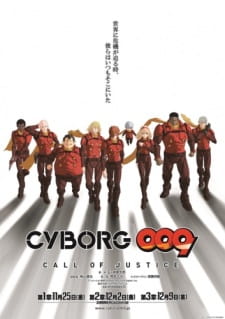
-
Rainbow Sentai Robin Creador original TV · 1966
-
Animated Classics of Japanese Literature Diseño de personajes TV · 1986
-
Kawaru Machi, Kawareru Machi, Ishinomaki feat. Jun Creador original ONA · 2022
-
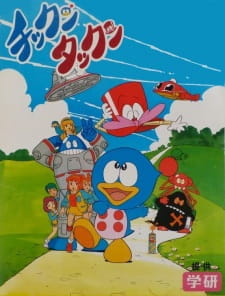
Chikkun Takkun Creador original TV · 1984
-
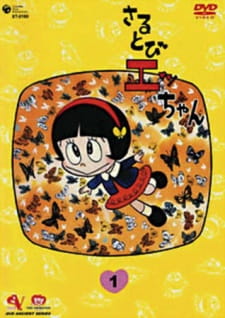
Sarutobi Ecchan Guion TV · 1971
-
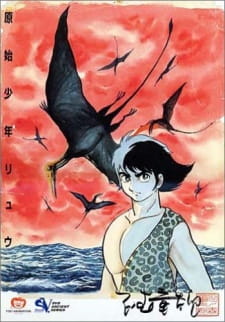
Ryu the Primitive Boy Creador original TV · 1971
-
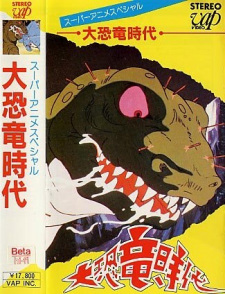
Daikyouryuu Jidai Director, Guion, Storyboard, Letra del tema, Diseño de personajes, Composición de la serie, Creador original 1979
-
Cyborg 009: The Reopening Creador original Especial · 2010
-
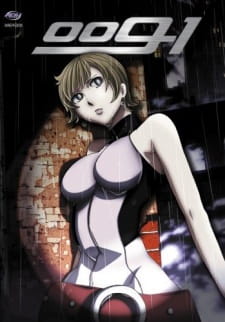
009-1 Creador original TV · 2006
-
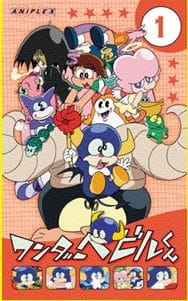
Wonder Bebil-kun Creador original TV · 2003
-
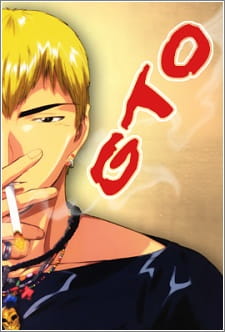
Great Teacher Onizuka Letra del tema TV · 1999
-
Sabu to Ichi Torimono Hikae Pilot Film Creador original Especial
-
Kaizoku Ouji Creador original TV · 1966
-
Harmagedon Productor, Creador original Película · 1983
-
Kamen Rider SD Kaiki?! Kumo Otoko Creador original OVA · 1993
-
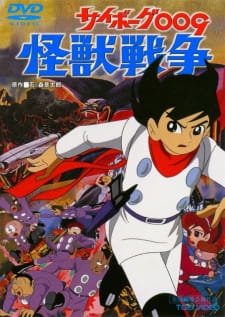
Cyborg 009 and the Monster Wars Creador original Película · 1967
-
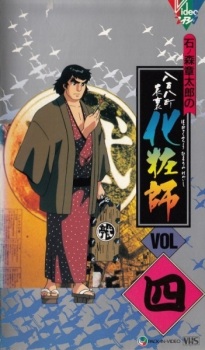
Happyakuyachou Hyouri Kewaishi Creador original TV · 1990
-
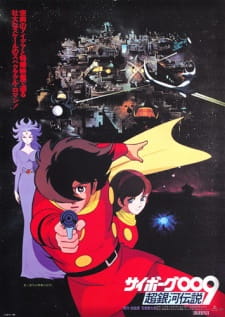
Cyborg 009: La Leyenda de la Supergalaxia Creador original Película · 1980
-
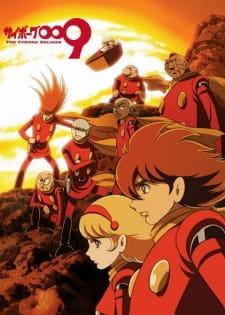
Cyborg 009 Creador original TV · 2001
-
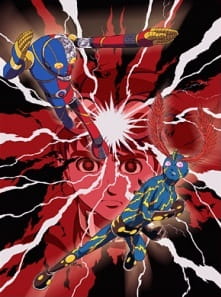
The Boy Who Carried a Guitar: Kikaider vs. Inazuman Creador original Especial · 2003
-
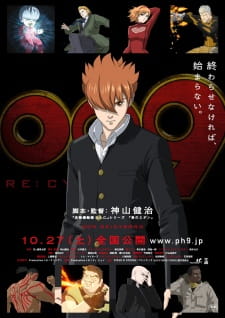
009 Re:Cyborg Letra del tema, Creador original Película · 2012
-
Donkikko Creador original TV · 1967
-
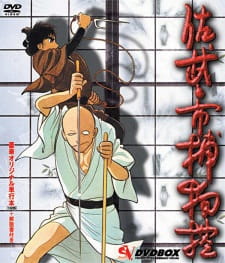
Sabu & Ichi's Arrest Warrant Creador original TV · 1968
-
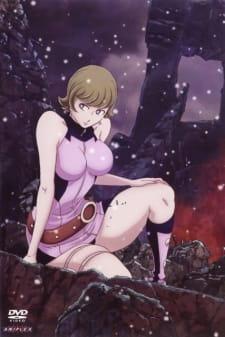
009-1: R&B Creador original Especial · 2007
-
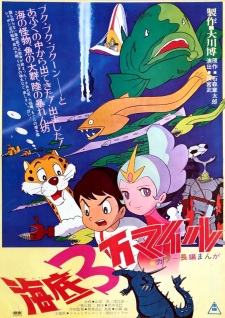
20.000 Leguas de Viaje Submarino Creador original Película · 1970
-
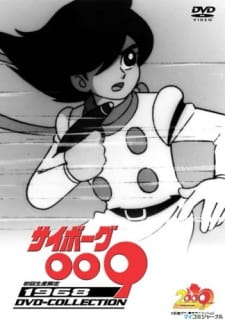
Cyborg 009 Letra del tema, Creador original TV · 1968
-
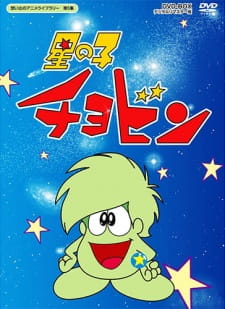
Starchild Chobin Letra del tema, Creador original TV · 1974
-
Otanoshimi Anime Gekijou Storyboard TV · 1970
-
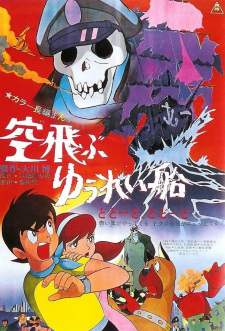
La Nave Fantasma Creador original Película · 1969
-
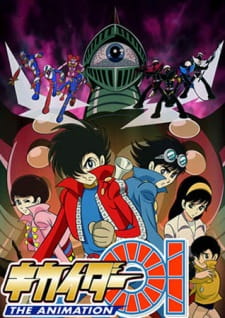
Kikaider 01: The Animation Creador original OVA · 2001
-
Ishinomori Shoutarou no Rekishi Adventure Diseño de personajes OVA · 1992
-
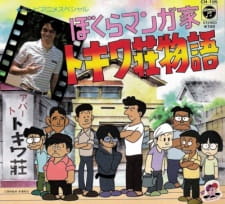
Bokura Mangaka: Tokiwasou Monogatari Director de animación, Diseño de personajes 1981
-
Cyborg 009 Creador original Película · 1966