


Back
About
Hirata Toshio was an animator and a graduate of Musashino Art University. After graduation in 1961 he joined Toei Douga, but left it soon after. Since then he has worked for Mushi Production, Zuiyo, Group Tac, and currently resides in Madhouse.
Like many of the figures of this period, Hirata started his career as an animator at Toei Doga as an inbetweener in the features made from 1960 to 1963: Journey to the West, Anju, Sinbad, Little Prince. Specifically, he was under the tutelage of Yasuji Mori. Hirata still speaks extremely highly of the experience and of Mori in particular, going so far as to say that if it hadn't been for Mori, he probably wouldn't be in animation today. Mori was a major influence on Hirata -- as well as many of those who worked with him like Miyazaki and Takahata -- not only because he was a great teacher and animator himself, but also because he was a gentle person who, legend has it, never got angry at anyone. He took animation seriously, and approached it with rigor and love. Mori's legacy is clearly at the root of Hirata's pliant, honest, soulful approach to animation.
One of the things that is unique about this early period is the variety of origins of the animators. In other words, today people come to anime because they've seen anime; but back then, during the early Toei Doga period, there was no TV anime, so many of the people who entered Toei Doga did so because they had seen a few Disney pics in the theater, or animated ads on TV, or Hakujaden, etc.. Yet other people simply happened to wander in almost by accident, having studied art at school, and maybe having casually seen an animated film or two, but otherwise knowing nothing about animation. Toshio Hirata falls into the latter group.
Anime then was not yet anime; it was a bunch of young people making tentative steps to figure out what they could do with animation. They were blissfully free of the burdensome history that nowadays blinkers many in the anime industry. Thus could we get films like Little Prince & the 8-Headed Dragon and Gulliver's Space Travels that are full of inventive artistic ideas. Hirata was one of the many people just out of art school who happened to find their way to Toei Doga for whatever reason. Together with a lot of those people, he was drawn to the Animation Sannin no Kai during his Toei Doga period, 1960-1963. If he learned the traditional approach to animation at Toei Doga, the experience of seeing those films broadened his understanding of animation and added an artistic side to his approach. The graphically-oriented aspect of his subsequent output can definitively be traced to this experience.
Hirata began his Mushi Pro period in 1966 directing episodes of Jungle Taitei immediately after his involvement in Ken the Wolf Boy at Toei Doga in 1965. His experience at Mushi Pro was a fateful one for him, second to his experience at Toei Doga only in chronological order. Interestingly enough, at Mushi Pro he was automatically started out as a key animator, and the very next year, for Jungle Taitei in 1966, he was bumped up to directing! Ironically, when he helped out on Toei Doga's Gulliver around the same time in 1965, he was bumped back to inbetweening. Apparently credit wasn't transferrable between studios. This is basically attributable to the rather unique system at Mushi Pro that reflected Tezuka's creator-based approach. Tasks weren't clear-cut and heirarchically organized the way they were at Toei Doga; people did various things as necessary, and consequently accession to key animation and directing could be absurdly fast (though, really, the reason for the ad-hoc nature of the studio basically comes down to the shortage of staff).
(Source: pelleas.net)
Date of death: August 25, 2014
Staff credits 53
-
Death Note Storyboard TV · 2006
-
Astro Boy (2003) Episode director, Storyboard TV · 2003
-
Mrs. Pepperpot Storyboard TV · 1983
-
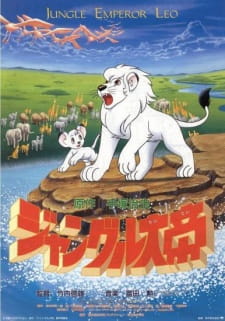
Jungle Taitei (1989) Storyboard TV · 1989
-
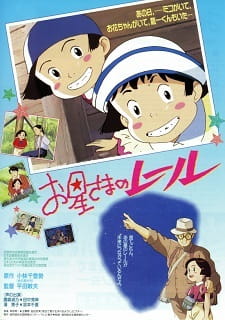
Rail of the Star: A True Story of Children Director Movie · 1993
-
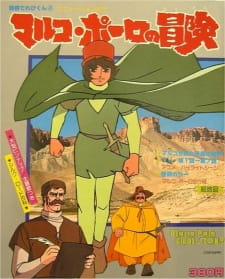
Marco Polo's Adventures Storyboard TV · 1979
-
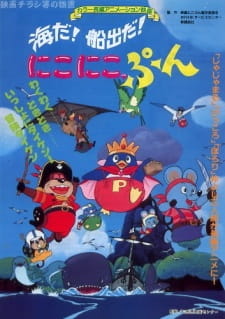
Umi Da! Funade Da! Nikoniko, Pun Director Movie · 1990
-
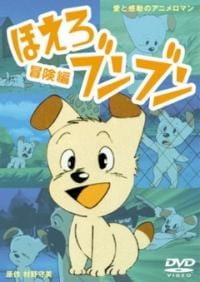
Hoero! Bun Bun (Movie) Director Movie · 1987
-
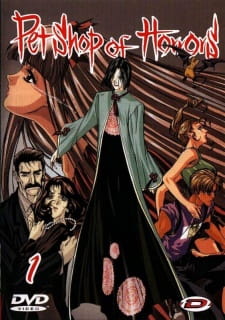
Pet Shop of Horrors Director TV · 1999
-
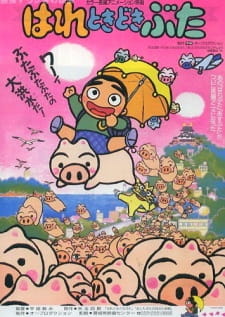
Fair, then Partly Piggy Director Movie · 1988
-
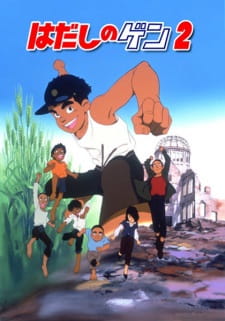
Barefoot Gen 2 Director Movie · 1986
-
Master Keaton Storyboard TV · 1998
-
Blade Storyboard TV · 2011
-
Little Jumbo Episode director Movie · 1977
-
Eguchi Hisashi no Nantoka Narudesho! Episode director, Storyboard OVA · 1990
-
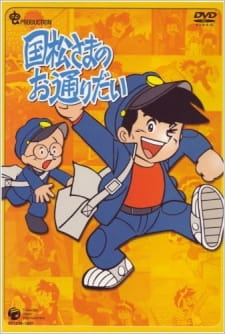
Kunimatsu-sama no Otoridai Episode director TV · 1971
-
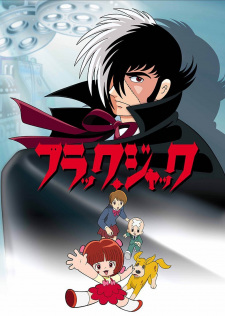
Black Jack (TV) Storyboard TV · 2004
-
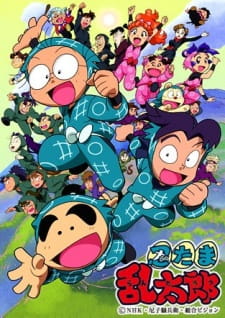
Nintama Rantarou Storyboard TV · 1993
-
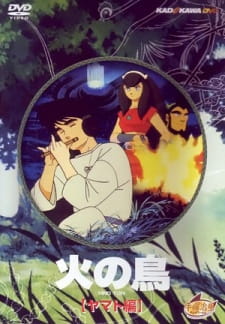
The Phoenix: Chapter of Yamato Director OVA · 1987
-
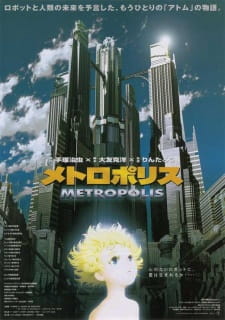
Metropolis Key animation Movie · 2001
-
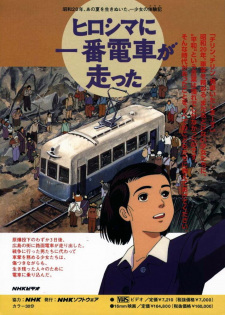
Hiroshima ni Ichiban Densha ga Hashitta Animation director 1993
-
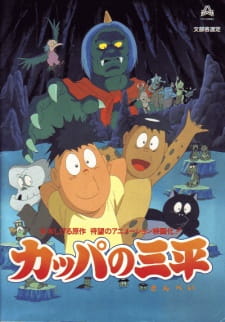
Kappa no Sanpei Director Movie · 1993
-
Shin Obake no Q-tarou Storyboard TV · 1971
-
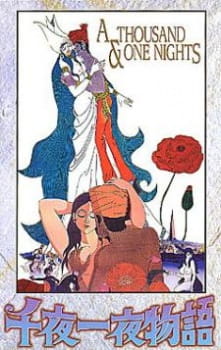
A Thousand and One Nights Key animation Movie · 1969
-
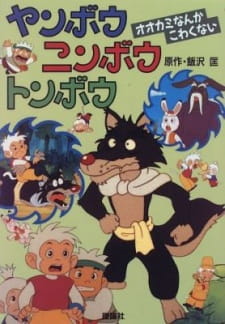
Yanbou Ninbou Tonbou Storyboard TV · 1995
-
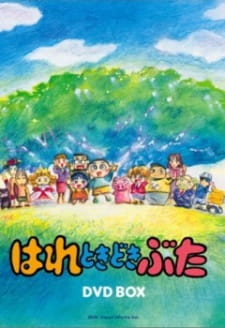
Tokyo Pig Director TV · 1997
-
Gakushuu Animation Nihon Koku Kenpou Director OVA · 1989
-
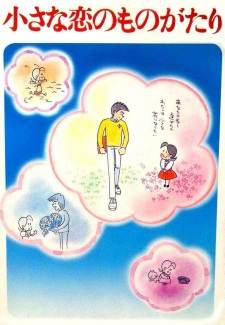
Chiisana Koi no Monogatari: Chichi to Sally Hatsukoi no Shiki Director 1984
-
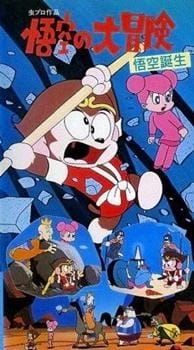
Adventures of the Monkey King Episode director, Script TV · 1967
-
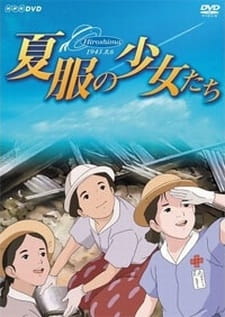
Natsufuku no Shoujo-tachi Animation director 1988
-
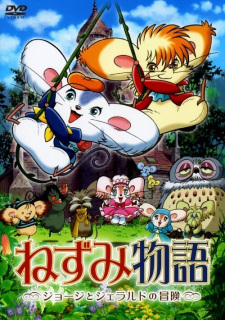
Nezumi Monogatari: George to Gerald no Bouken Character design Movie · 2007
-
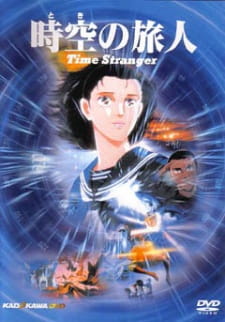
Toki no Tabibito: Time Stranger Storyboard Movie · 1986
-
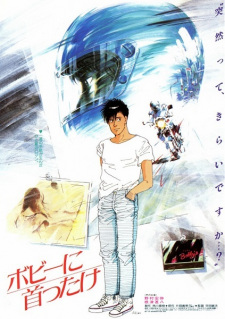
Bobby ni Kubittake Director Movie · 1985
-
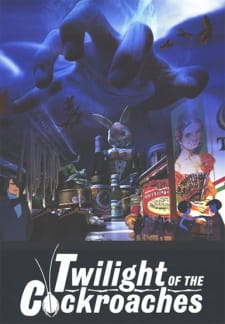
Twilight of the Cockroaches Chief animation director Movie · 1987
-
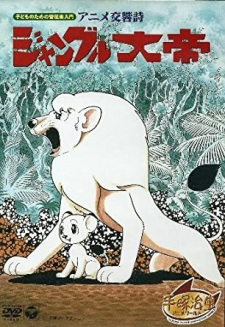
Symphonic Poem: Jungle Emperor Leo Director OVA · 1991
-
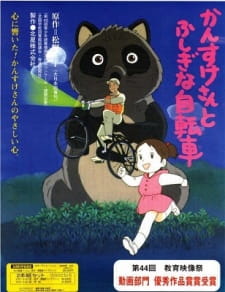
Kansuke-san to Fushigi na Jitensha Director Movie · 1997
-
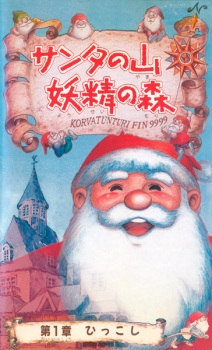
Santa's Mountain Fairy Forest Episode director OVA · 1996
-
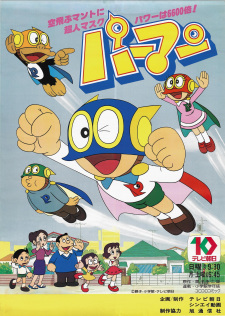
Superkid (1983) Episode director, Storyboard TV · 1983
-
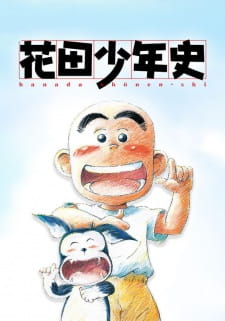
Hanada Shounen-shi Storyboard TV · 2002
-
Osamu and Musashi Storyboard Movie · 1994
-
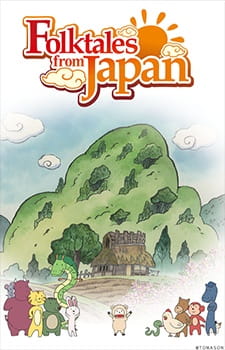
Folktales from Japan Episode director, Storyboard, Key animation TV · 2012
-
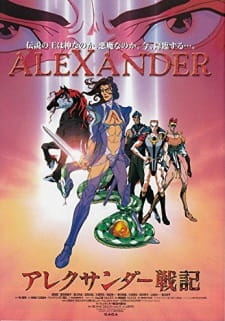
Reign: The Conqueror Movie Storyboard Movie · 2000
-
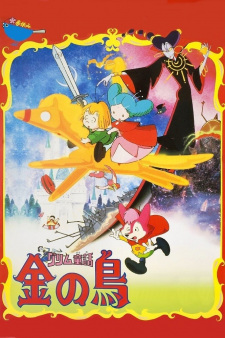
The Golden Bird Director Movie · 1987
-
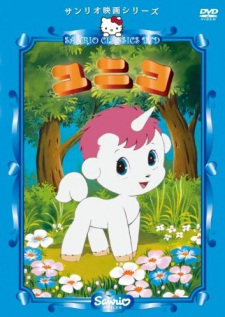
The Fantastic Adventures Of Unico Episode director Movie · 1981
-
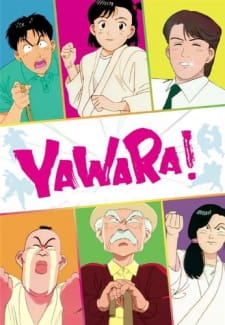
Yawara! Episode director, Storyboard TV · 1989
-
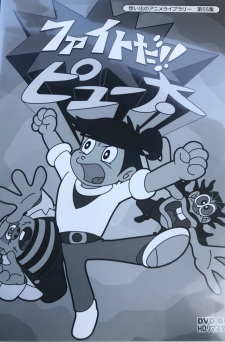
Fight Da!! Pyuta Episode director TV · 1968
-
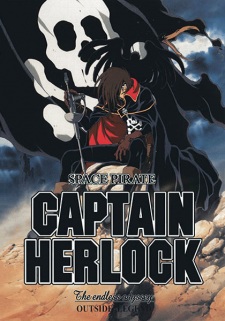
Space Pirate Captain Herlock: Outside Legend - The Endless Odyssey Storyboard OVA · 2002
-
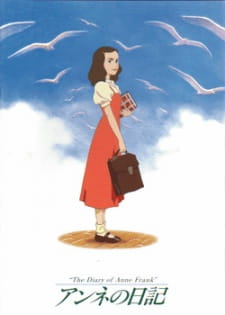
The Diary of Anne Frank Storyboard Movie · 1995
-
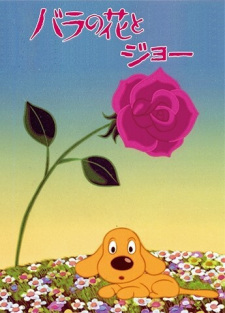
Bara no Hana to Joe Key animation Movie · 1977
-
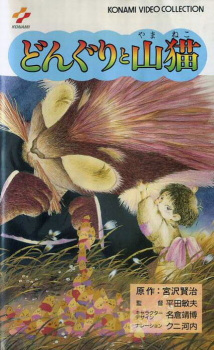
Miyazawa Kenji Collection - The Acorns and the Wildcat Director OVA · 1988
-
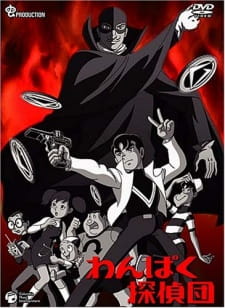
Wanpaku Tanteidan Episode director TV · 1968
-
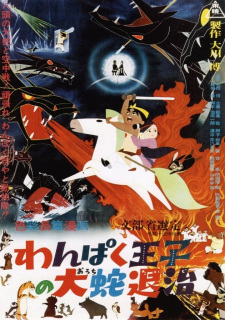
The Little Prince and the Eight-Headed Dragon In-between animation Movie · 1963
-
Easy Cooking Animation: Seishun no Shokutaku Director TV · 1989