


戻る
紹介
Yasuo Ootsuka was a Japanese animator who worked with Toei Animation and Studio Ghibli.
Ootsuka first started drawing as a small child when he saw trains carrying soldiers off to the war. He was so enamored with trains that he continued drawing them with greater and greater detail as he aged. This led to a fascination with the machinery that is pervasive throughout much of his anime work.
Ootsuka found employment in the statistics section of the general affairs department of the Yamaguchi prefectural office first. Then, while working, he came up to Tokyo twice by the business trip. At the time, the current-events satirical comics which he contributed to Yamguchi newspaper were adopted, and the work was temporarily serialized. Afterwards, he decides to go to Tokyo to become a political cartoonist.
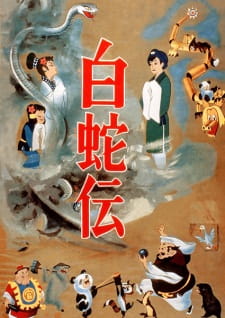
In 1956, Ootsuka finished the recuperation life and found the newspaper article that the production of the anime movie Hakujaden was decided to Toei. Then, he visited Nihon Douga (Japan Animation) company that became the basis of inauguration of Toei Animation, and took the test. The people representing the Japanese animation field such as Yasuji Mori at that time received him, and the result of the examination was passing. He was one of the Toei animators involved in experimenting with frame-rate modulation in animation. This experimentation lead to what is commonly called the "money shot" style, where more important scenes are animated more fully than others. He practiced animation while going to work, and was finally temporarily employed as one of the first employees of Toei Animation. However, unless they did overtime work after finishing the task twice or more the regular employment group, they were not able to live because the salary of the temporary employment group was a half of the regular employment group.
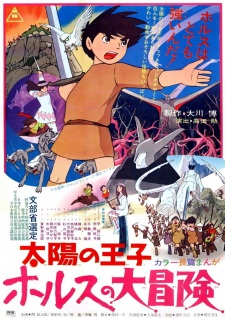
In addition, he was a mentor to both Hayao Miyazaki and Isao Takahata and worked with them on many of their early projects. Although he had the chance to be a director several times, he refused it. This is because he witnessed Isao Takahata facing difficulties during the production of Hols: Prince of the Sun. In a documentary about him, he stated that he revered Takahata's ability as the director in Hols, and he felt that his ability was insufficient by comparison.
Before his death, Ootsuka ran a school for animators in Japan, and Studio Ghibli produced a documentary about the animator.
スタッフ参加作品 22
-
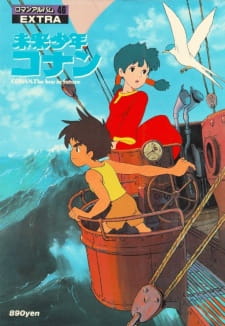
未来少年コナン キャラクターデザイン, アニメーションディレクター TV · 1978
-
ムーミン キャラクターデザイン TV · 1969
-
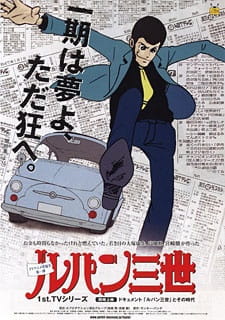
ルパン三世 アニメーションディレクター, キャラクターデザイン TV · 1971
-
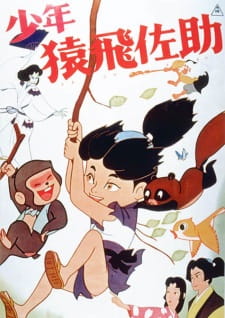
少年猿飛佐助 原画 映画 · 1959
-
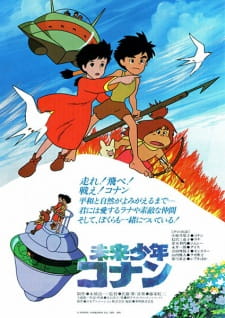
未来少年コナン (1979) キャラクターデザイン 映画 · 1979
-
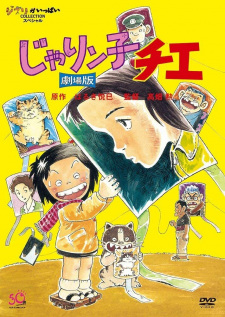
じゃりン子チエ アニメーションディレクター, キャラクターデザイン 映画 · 1981
-
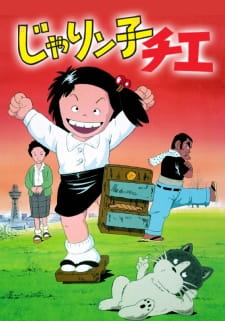
じゃりン子チエ キャラクターデザイン TV · 1981
-
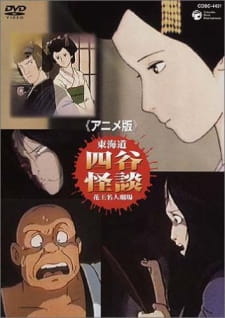
アニメ版 東海道・四谷怪談 監督 スペシャル · 1981
-
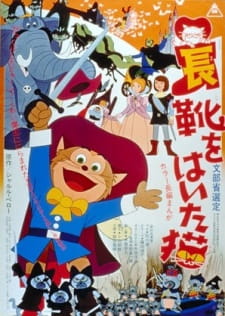
長靴をはいた猫 絵コンテ, 原画 映画 · 1969
-
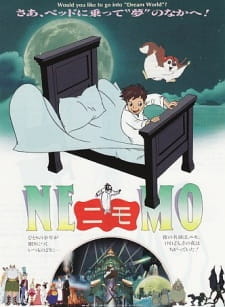
リトル・ニモ 第二原画 映画 · 1989
-
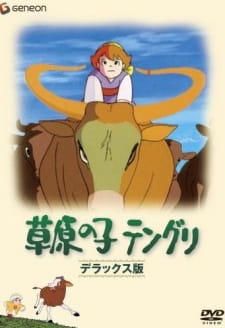
草原の子テングリ 監督, 第二原画, アニメーションディレクター 映画 · 1977
-
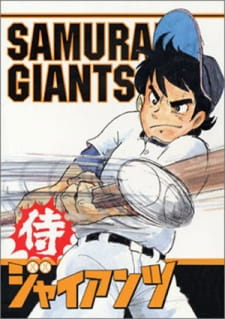
侍ジャイアンツ キャラクターデザイン TV · 1973
-
太陽の王子 ホルスの大冒険 アニメーションディレクター 映画 · 1968
-
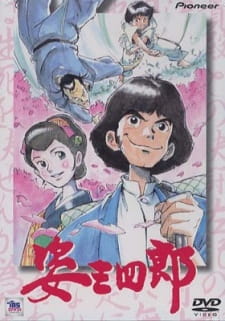
姿三四郎 原画 1981
-
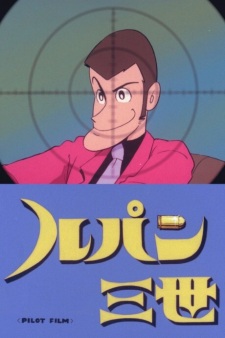
ルパン三世 Pilot Film キャラクターデザイン 映画 · 1969
-
白蛇伝 第二原画, 動画 映画 · 1958
-
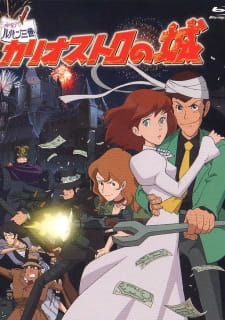
ルパン三世 カリオストロの城 アニメーションディレクター 映画 · 1979
-
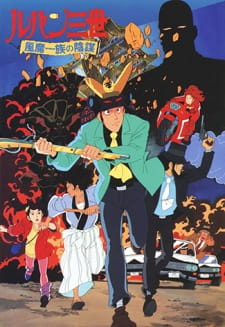
ルパン三世 風魔一族の陰謀 企画 映画 · 1987
-
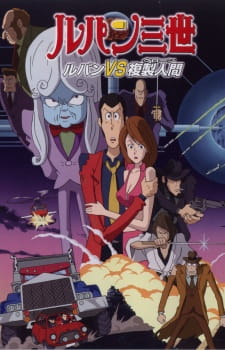
ルパンvs複製人間 メカニックデザイン 映画 · 1978
-
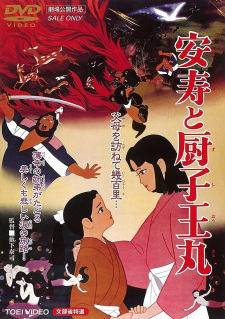
安寿と厨子王丸 原画 映画 · 1961
-
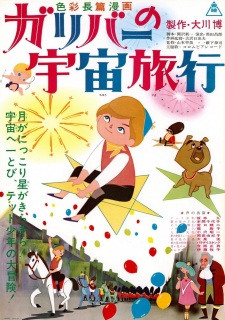
ガリバーの宇宙旅行 原画 映画 · 1965
-
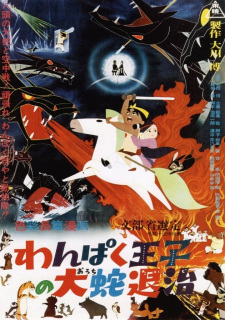
わんぱく王子の大蛇退治 原画 映画 · 1963