



Retour
À propos
Japanese cartoonist and independent filmmaker. One of, if not the most important figures in the history of Japanese independent animation, he was the unofficial leader and most prolific of the "Animation Association of Three" (アニメーション三人の会) collective who kick-started the renaissance of modern-styled, independently-made, adult-aimed animation in early 1960s Japan.
He is known internationally for the very black comedy of his films, with the typically naïve style of his cartooning often belying the surreal, obscene and disturbing situations they depict (though he has worked in a variety of styles and mediums, including pixilation); this made them a favourite among the fervently counter-cultural audiences, which included such filmmakers as René Laloux, of the first few years of the Annecy International Animated Film Festival, and in a 1967 publication he was considered to be "the most significant" and "the only Japanese animator whose work is known in the West" (which is to disregard the Toei Animation features and Astro Boy series that were first seen in the West around the same time that Kuri's first several films were and mentioned in passing in the same publication, though these were not known as works of an individual and characteristic filmmaker and often had their Japanese origin played down).
He is also known in Japan for his comics, a collection of which earned him the 1958 Bungeishunjuu Manga Award. Though now retired from filmmaking he continues to illustrate and to teach animation at Laputa Art Animation School.
(Source: Wikipedia)
Crédits de production 60
-
Sentaku Jab Jab Réalisateur Musique · 1974
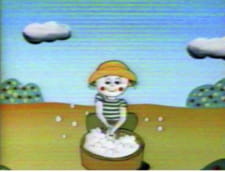
-
Kaijuu ga Yattekuru Directeur de l’animation Musique · 1967
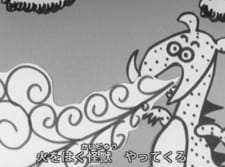
-
Aos Réalisateur Film · 1964
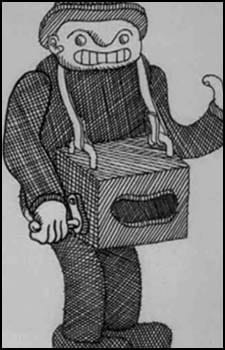
-
Clap Vocalism Réalisateur Film · 1962
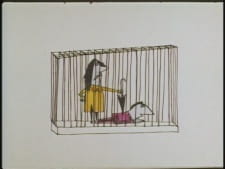
-
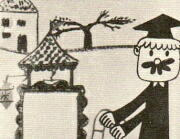
Tonchi Asobi Réalisateur Musique · 1963
-
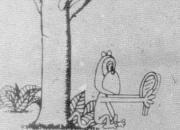
Osaru to Kagami Réalisateur Musique · 1963
-
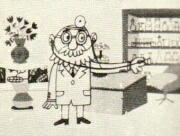
Hige no Oishasan Réalisateur Musique · 1963
-
Deka Chibi Noppo Réalisateur Musique · 1964
-
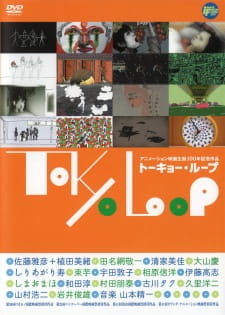
Tokyo Loop Réalisateur Film · 2006
-
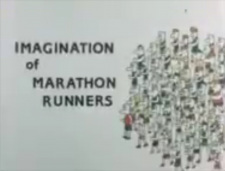
Imagination of Marathon Runners Réalisateur Film · 1984
-
Asobou yo Réalisateur Musique · 1969
-
Flipper Réalisateur Musique · 1965
-
Fashion Réalisateur Film · 1960

-
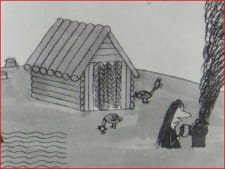
Ni-hiki no Sanma Réalisateur Film · 1960
-
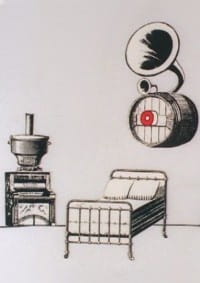
G-senjou no Higeki Réalisateur Film · 1969
-
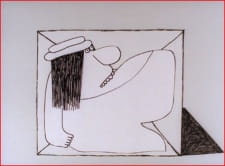
Heya Réalisateur Film · 1967
-
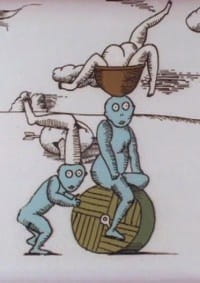
Kiseichuu no Ichiya Réalisateur Film · 1972
-
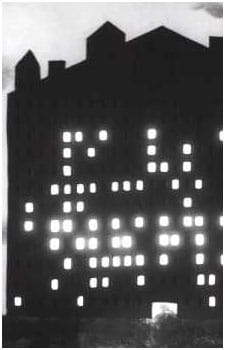
Mado Réalisateur Film · 1965
-
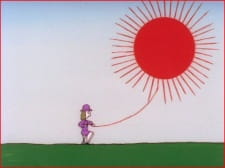
Manga Réalisateur Film · 1977
-
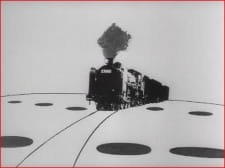
Pop Réalisateur Film · 1974
-
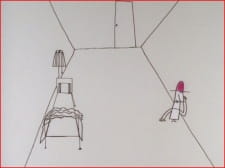
The Man Next Door Réalisateur Film · 1965
-
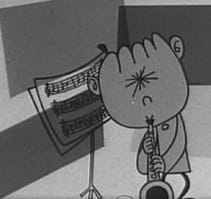
Clarinet Kowashichatta Directeur de l’animation Musique · 1963
-
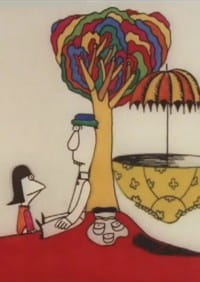
Kemeko no Love Réalisateur Film · 1968
-
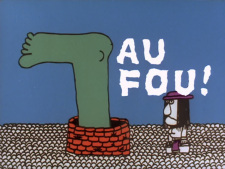
Au Fou! Réalisateur Film · 1966
-
Suteki na Yume wo Réalisateur Musique · 1965
-
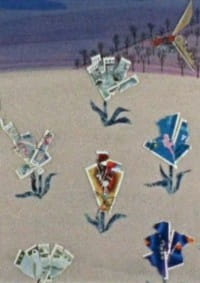
Kitte no Gensou Réalisateur Film · 1961
-
Mama to Go-go Réalisateur Musique · 1966
-
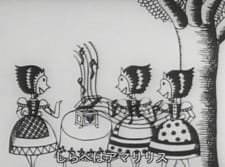
Amaryllis Directeur de l’animation Musique · 1968
-
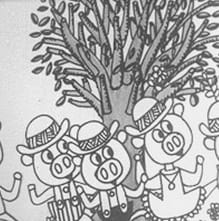
Go-hiki no Kobuta to Charleston Réalisateur Musique · 1964
-
Gachou no Obasan Réalisateur Musique · 1967
-
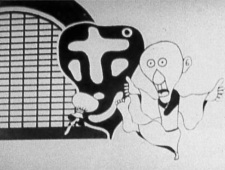
Yamadera no Oshou-san Réalisateur Musique · 1968
-
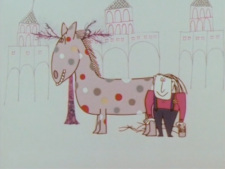
Ring Ring Boy Réalisateur Film · 1963
-
Hayakuchi Kotoba Réalisateur Musique · 1965
-
Awate Tokoya (1966) Réalisateur Musique · 1966
-
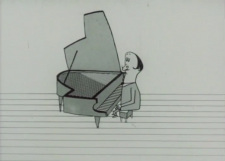
There is Here Réalisateur Film · 1961
-
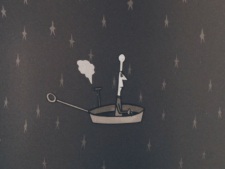
Electone Vostok Réalisateur Film
-
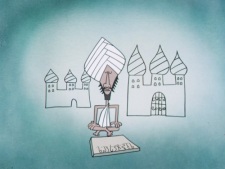
Zero no Hakken Réalisateur Film · 1963
-
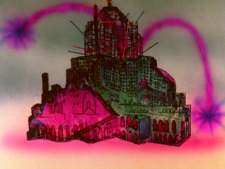
The Button Réalisateur Film · 1964
-
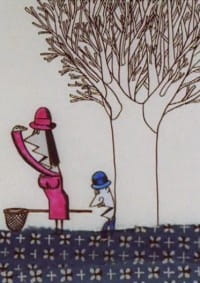
Love Réalisateur Film · 1963
-
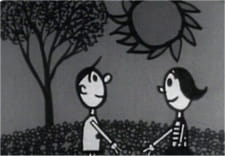
Punpun Polka Directeur de l’animation Musique · 1961
-
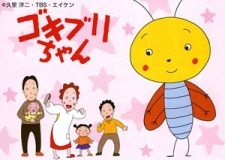
Gokiburi-chan Auteur original TV · 2005
-
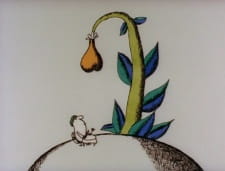
Flower Réalisateur Film · 1967
-
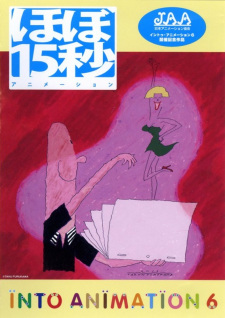
Hobo 15-byou Animation Réalisateur Film · 2013
-
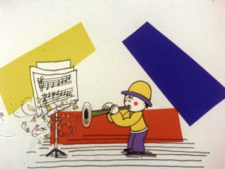
Clarinet Kowashichatta (1972) Réalisateur Musique · 1972
-
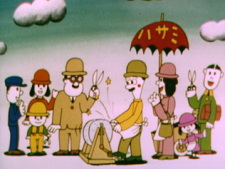
Hasami Togi (1974) Réalisateur Musique · 1974
-
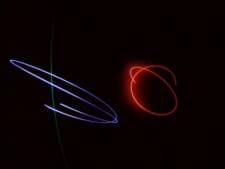
Locus Réalisateur Film · 1963
-
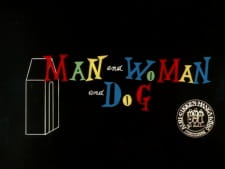
Man and Woman and Dog Réalisateur Film · 1964
-
Samurai Réalisateur Film · 1965

-
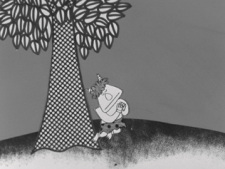
Oni no Negai Réalisateur Musique · 1969
-
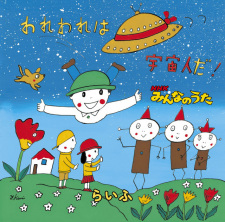
Wareware wa Uchuujin da! Réalisateur Musique · 2014
-
Camp Ryouri Réalisateur Musique · 1963
-
Ki no Ii Ahiru Réalisateur Musique · 1962
-
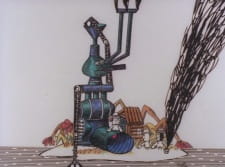
Ni-hiki no Sanma (1968) Réalisateur Film · 1968
-
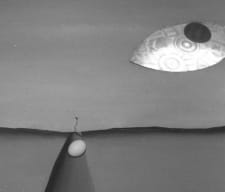
The Bathroom Réalisateur Film · 1970
-
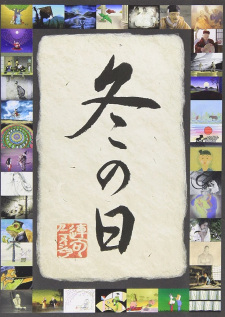
Winter Days Directeur de l’animation, Animation clé Film · 2003
-
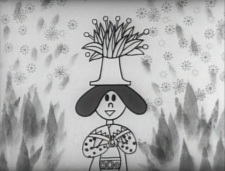
Youki ni Utaeba Directeur de l’animation Musique · 1964
-
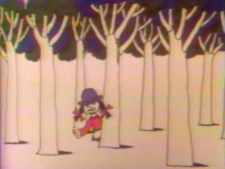
Mori no Kuma-san Directeur de l’animation Musique · 1972
-
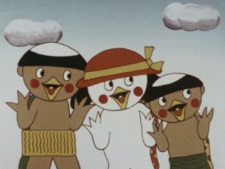
Kappa no Kui Kuo Kua Directeur de l’animation Musique · 1975
-
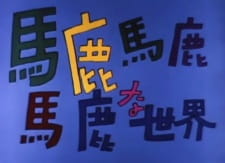
Crazy World Réalisateur Film · 1968
-
Kirei na Boushi Réalisateur Musique · 1962