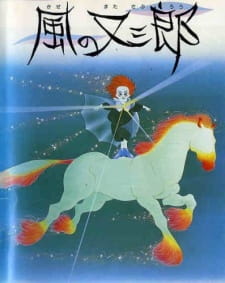



Volver
Acerca de
Miyazawa was born in what is now Hanamaki city, Iwate Prefecture as the eldest son of a wealthy pawnbroker. From an early age, he was disturbed by what he perceived to be the social inequity between his well-to-do family and the impoverished farmers in the area from whom his family profited by lending them money.
From 1926 until his death in 1933, Miyazawa struggled to improve the material and spiritual life of the impoverished peasants of his native Iwate. He introduced new agricultural techniques and new varieties of seeds. He left his position as instructor at Hanamaki Agriculture School in 1926 to establish the Rasu Farmers Association. At the detached house of his family, where he was staying at the time, he gathered a group of youths from nearby farming families and lectured on agronomy. The association also engaged in plays, music, and other cultural activities.
His writings from this period show sensitivity for the land and for the people who work in it. A prolific writer of children's stories, many that appear superficially to be light or humorous, all contain stories intended for moral education of the reader. He wrote some works in prose and some stage plays for his students and left behind a large amount of tanka and free verse, most of which was discovered and published posthumously. His poetry, which has been translated into numerous languages, has a considerable following to this day. A number of his children’s works have been made into animated movies (anime) in Japan.
(Source: Wikipedia)
Créditos de producción 22
-
Gauche the Cellist Creador original Película · 1982
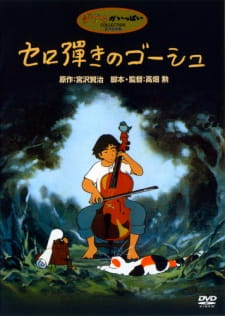
-
Spring and Chaos Creador original Película · 1996
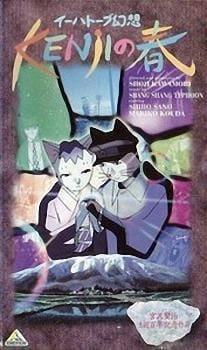
-
The Nighthawk Star Creador original Película · 2013
-
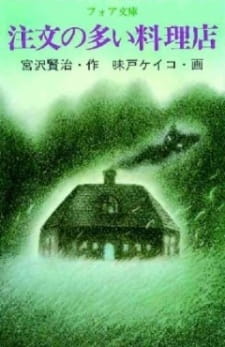
Chuumon no Ooi Ryouriten (1991) Creador original Película · 1991
-
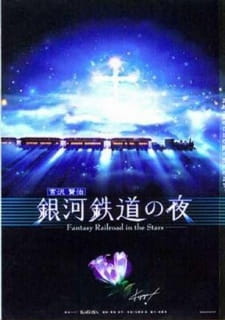
Ginga Tetsudou no Yoru: Fantasy Railroad in the Stars Creador original Película · 2006
-
3-tsu no Hanashi Creador original 1960
-
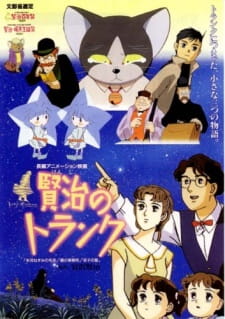
Kenji no Trunk Creador original Película · 1996
-
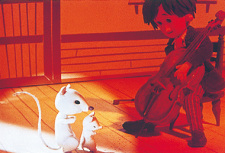
Cello Hiki no Gauche Creador original Película · 1963
-
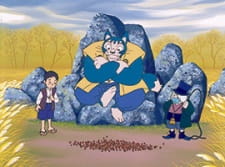
Donguri to Yamaneko (1995) Creador original OVA · 1995
-
Cello Hiki no Gauche (OVA) Creador original OVA · 1998
-
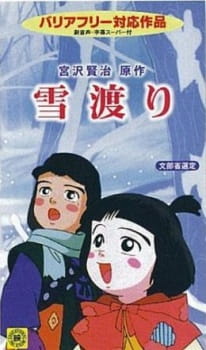
Yukiwatari Creador original Película · 1994
-
The Life of Budori Gusuko Creador original Película · 2012
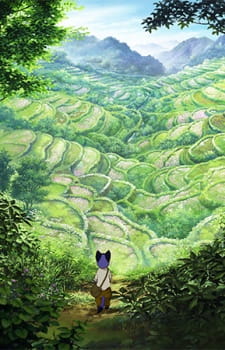
-
The Night of Taneyamagahara Creador original Película · 2006
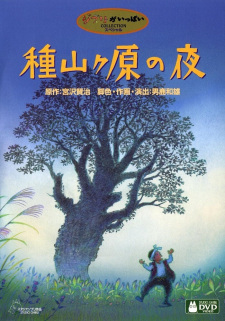
-
MATASABURO of the Wind Creador original Película · 2016
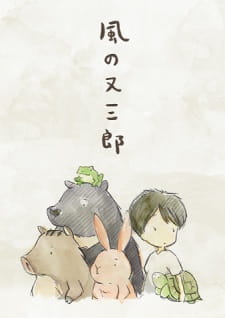
-
Dancer of Vermicular Creador original Película · 2004
-
The Nighthawk Is Not a Hawk Creador original Película · 2023
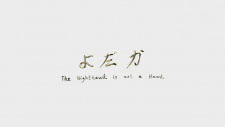
-
Chuumon no Ooi Ryouriten (1993) Creador original Película · 1993
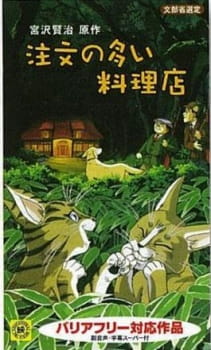
-
The Life of Guskou Budori Creador original Película · 1994
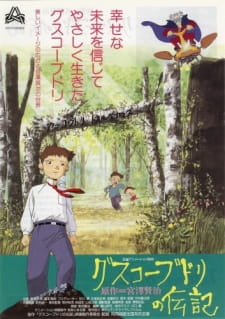
-
Miyazawa Kenji Collection - The Acorns and the Wildcat Creador original OVA · 1988
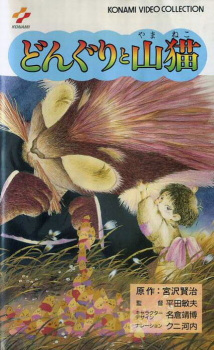
-
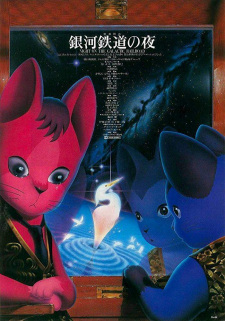
Night on the Galactic Railroad Creador original Película · 1985
-
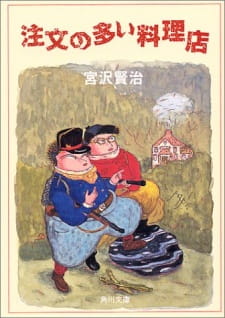
Chuumon no Ooi Ryouriten Creador original Película · 1958
-
Kaze no Matasaburou Creador original OVA · 1988