


Retour
À propos
NHK Tokyo Children's Choir, or NHK Tokyo Children's Chorus, is the children's choir attached to the Tokyo Broadcasting Station (JOAK) of the NHK - Japan Broadcasting Corporation radio-TV network. Since 1943 NHK had used the Otowa Yurikago Kai, established in 1933, to be its children's choir, but since 1951 has organized its own.
Through its broadcasting and recording activities, it has played an important role in popularizing Japanese and overseas children's songs in Japan. It also toured extensively throughout the world and has won important awards, such as in BBC World Amateur Chorus Competition (No. 2 in the children's area), the Centennial of Zoltán Kodály's Birth Competition (No. 1 in the children's area), EBU World Chorus Competition (No. 1 in the children's area), etc.
(Source: Wikipedia)
Crédits de production 42
-
Ai no Gakkou Cuore Monogatari Paroles du thème TV · 1981
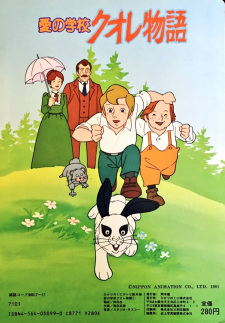
-
Hotaru Koi Interprétation du thème Musique · 1966
-
Story of a Fawn Interprétation de chanson insérée TV · 1983
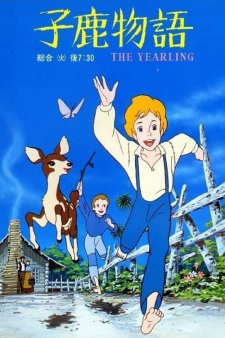
-
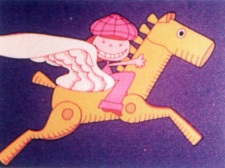
Hi Hai Ho Interprétation du thème Musique · 1973
-
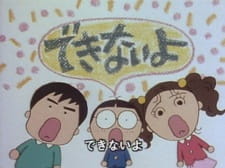
Meiwaku Danchi Interprétation du thème Musique · 1985
-
Kaeru Interprétation du thème Musique · 1964
-
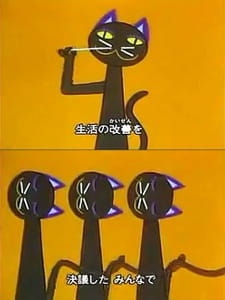
44-hiki no Neko Interprétation du thème Musique · 1969
-
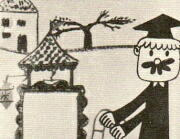
Tonchi Asobi Interprétation du thème Musique · 1963
-
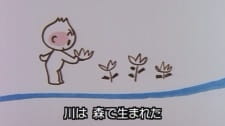
Kawa wa Dare no Mono? Interprétation du thème Musique · 1995
-
Deka Chibi Noppo Interprétation du thème Musique · 1964
-
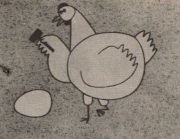
Tototo no Uta Interprétation du thème Musique · 1966
-
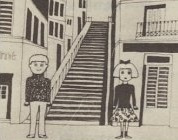
Yakikuri Interprétation du thème Musique · 1965
-
Shobo Kujira Chibi Cobra Interprétation du thème Musique · 1987
-
Suteki na Yume wo Interprétation du thème Musique · 1965
-
Cook no Polka Interprétation du thème Musique · 1964
-
Neko Funjatta Interprétation du thème Musique · 1966
-
Sensei wa Hashiru Interprétation du thème Musique · 1990
-
Trumpet Fukinagara Interprétation du thème Musique · 1972
-
Tsumujikaze Interprétation du thème Musique · 1964
-
Chiisana Calendar Interprétation du thème Musique · 1965
-
Minna de Step Interprétation du thème Musique · 1988
-
Dominique Interprétation du thème Musique · 1964
-
Shinpusan no Pipe Organ Interprétation du thème Musique · 1987
-
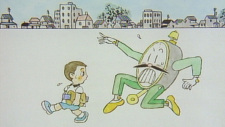
Taihen da Interprétation du thème Musique · 1986
-
Ouma ni Notte Interprétation du thème Musique · 1965
-
Nohara de Te wo Tatake Interprétation du thème Musique · 1964
-
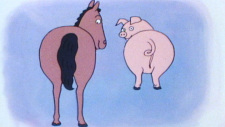
Uma no Shippo Buta no Shippo Interprétation du thème Musique · 1983
-
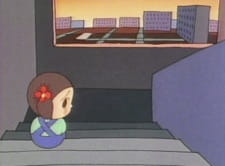
Naite Ita Onnanoko Interprétation du thème Musique · 1979
-
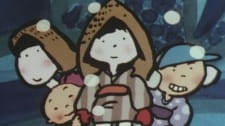
Yuki Matsuri Interprétation du thème Musique · 1984
-
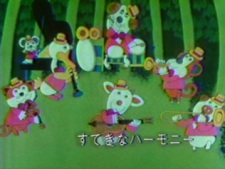
Oto no Symphony Interprétation du thème Musique · 1974
-
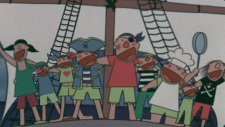
Shounen Kaizokudan no Uta Interprétation du thème Musique · 1976
-
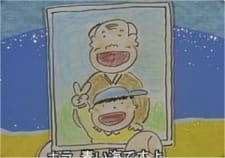
Ojiichan no Komoriuta Interprétation du thème Musique · 1987
-
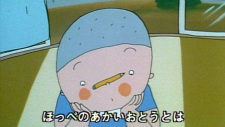
Aa Okashii ne Interprétation du thème Musique · 1985
-
Horaiji-san no Buppousou Interprétation du thème Musique · 2007

-
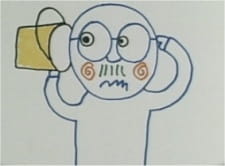
Bucket no Ana Interprétation du thème Musique · 1968
-
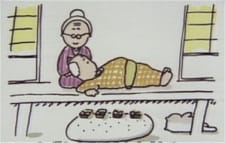
Futari wa 80-sai Interprétation du thème Musique · 1986
-
Chiisana Funanori Interprétation du thème Musique · 1969
-
Hogaraka Sonchou-san Interprétation du thème Musique · 1964
-
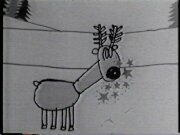
Akahana no Tonakai Interprétation du thème Musique · 1961
-
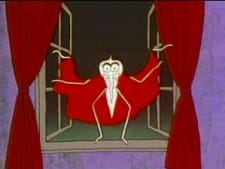
Dracula no Uta Interprétation du thème Musique · 1975
-
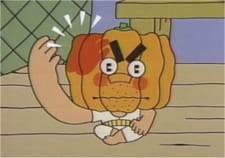
Kabocha no Ojisan Interprétation du thème Musique · 1987
-
Yume Miteru Wake ja Nai yo Interprétation du thème Musique · 1978