


Volver
Acerca de
Mukuo Takamura (01.01.1938 - 09.06.1992) was a famous art director from Sasebo, Nagasaki, Japan. He was a graduate of Musashino Art University, where he majored in Western Painting. After graduating in 1963, Mukuo joined Tokyo Movie Studio and started his career as a background artist for animation. In 1966, he established his own studio, Mukuo Group and Mukuo Studio in 1968, which was incorporated three years later in 1971.
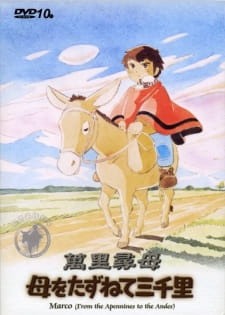
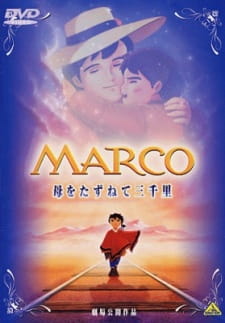
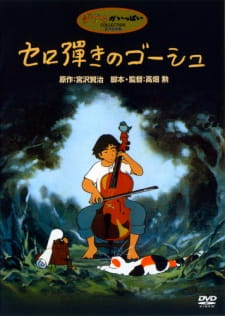
Some of his best known works include the feature film Cello Hiki no Gauche and Nippon Animation's Haha o Tazunete Sanzenri, part of the WMT series, both directed by Takahata Isao. For the latter he visited actual places in Italy and Argentina together with Takahata and Miyazaki, to ensure an authentic feel to the series.
He was also known for his contribution to science-fiction anime franchises Uchuu Senkan Yamato, Uchuu Kaizoku Captain Harlock and Ginga Tetsudou 999.
He was awarded the first grand-prix of the first anime popularity contest in the category of art, which was organised by the publisher Tokuma-Shoten. The contest was won by Mukuo five times in a row, until it was cancelled, making him the only winner in the art category.
Mukuo had greatly contributed to the rapid development of the animation in Japan during the 1970s and 80s.
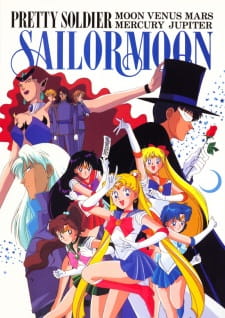
He passed away from cancer on June 9, 1992 at the age of 54. At that time he was working on the Bishoujo Senshi Sailor Moon series. Kubota Tadao took over his place but Mukuo was still credited as art designer of the Sailor Moon series subsequently for all later works.
Kubota Tadao, who was a manager at the Mukuo Studio, took also over Mukuo's duties as representative director of the studio.
In April 2004 a book that collected all of his best works was released posthumously. Titled Takamura Mukuo: The Art of Animation and supervised by Mukuo Keiko and Kubota Tadao, it does include much of Mukuo's background art, image boards, and plans to masterpieces like Ginga Tetsudou 999, Haha o Tazunete Sanzenri, Manie-Manie: Meikyuu Monogatari, Cello Hiki no Gauche, Sailor Moon or Kamui no Ken.
(Source: AniDB)
Créditos de producción 38
-
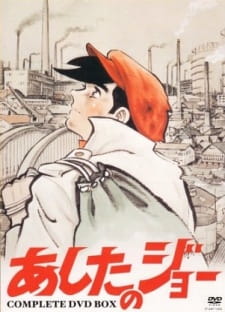
Tomorrow's Joe Fondos TV · 1970
-
Ganbare Genki Director de arte TV · 1980

-
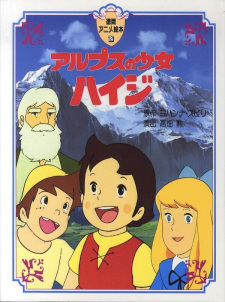
Heidi Fondos TV · 1974
-
Marco Director de arte TV · 1976
-
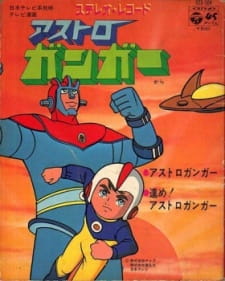
Astroganger Director de arte TV · 1972
-
Marco, la película: No te Vayas Mamá Director de arte Película · 1999
-
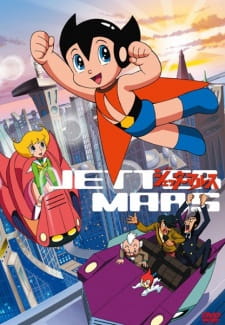
Jetter Mars Director de arte TV · 1977
-
Sailor Moon Director de arte TV · 1992
-
Gauche the Cellist Fondos, Director de arte Película · 1982
-
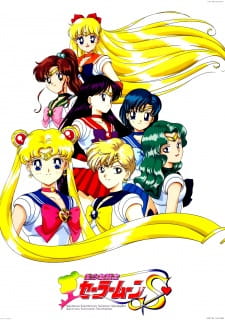
Sailor Moon S Director de arte TV · 1994
-
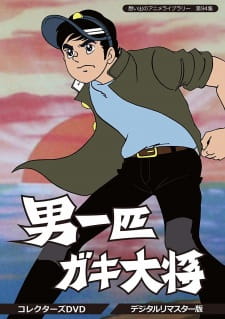
Otoko Ippiki Gaki Daishou Director de arte TV · 1969
-
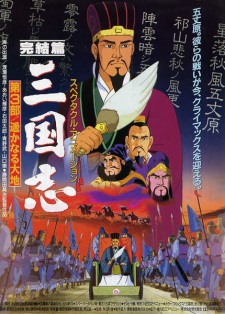
Sangokushi: Dai San Bu - Harukanaru Taichi Director de arte Película · 1994
-
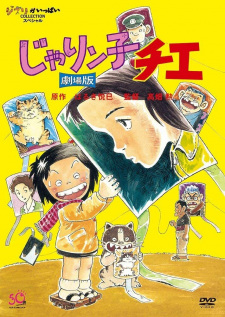
Jarinko Chie Fondos Película · 1981
-
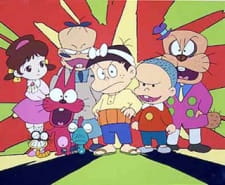
Mouretsu Atarou (1990) Director de arte TV · 1990
-
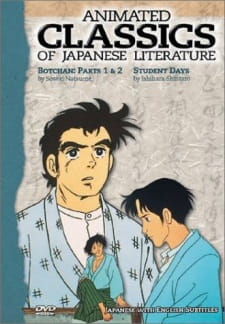
Animated Classics of Japanese Literature Director de arte TV · 1986
-
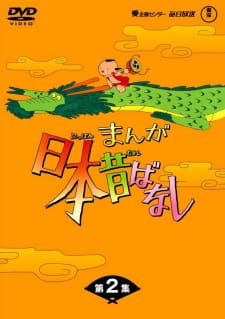
Manga Nippon Mukashibanashi (1976) Fondos TV · 1976
-
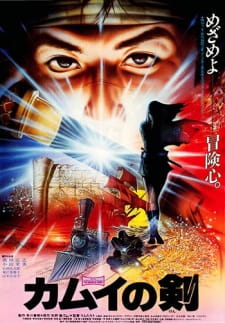
Kamui no Ken Director de arte Película · 1985
-
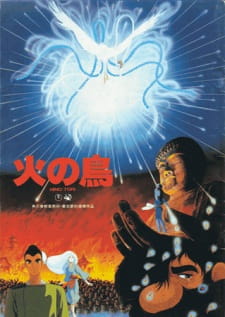
Phoenix: Karma Chapter Director de arte Película · 1986
-
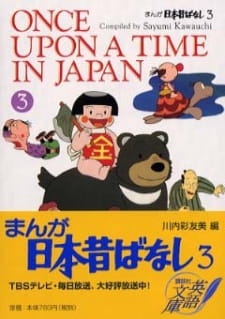
Manga Nippon Mukashibanashi Fondos TV · 1975
-
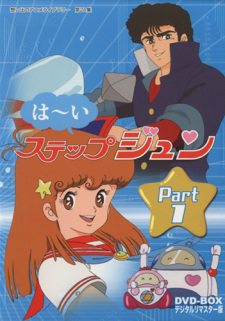
Haai Step Jun Fondos TV · 1985
-
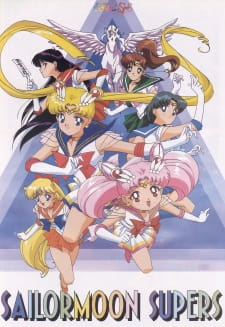
Sailor Moon SuperS Director de arte TV · 1995
-
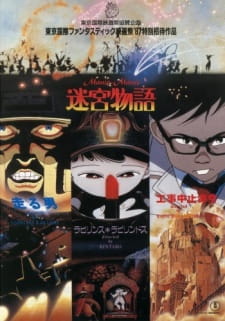
Neo Tokyo Director de arte Película · 1987
-
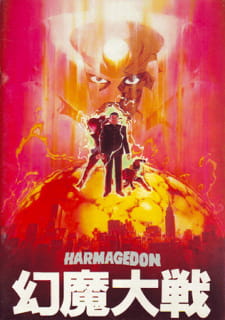
Harmagedon Director de arte Película · 1983
-
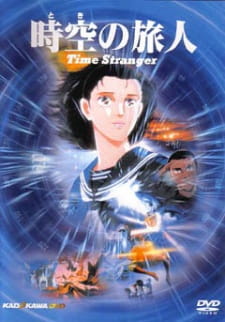
Toki no Tabibito: Time Stranger Fondos Película · 1986
-
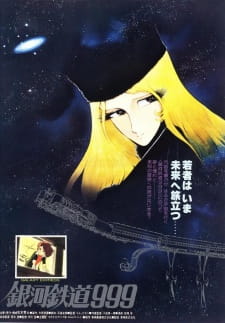
Galaxy Express 999 Director de arte Película · 1979
-
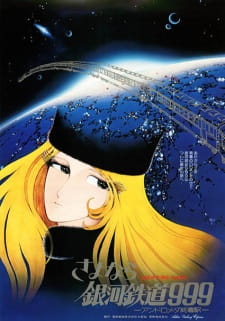
Adieu Galaxy Express 999 Director de arte Película · 1981
-
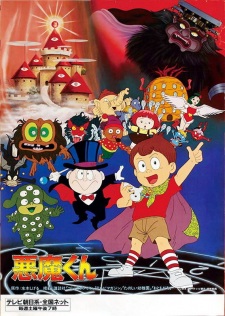
Akuma-kun Director de arte TV · 1989
-
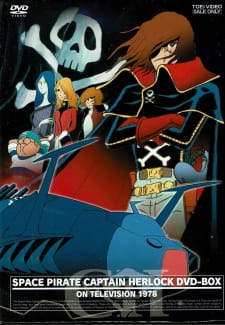
Space Pirate Captain Harlock Director de arte TV · 1978
-
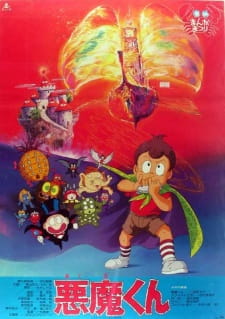
Akuma-kun (Movie) Director de arte Película · 1989
-
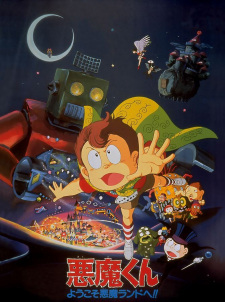
Akuma-kun: Youkoso Akuma Land e!! Fondos Película · 1990
-
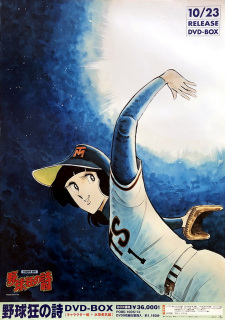
Yakyuukyou no Uta Director de arte TV · 1978
-
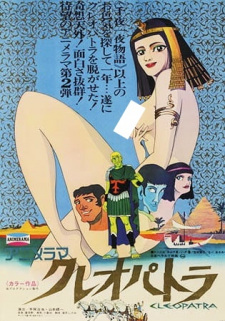
Cleopatra: Queen of Sex Fondos Película · 1970
-
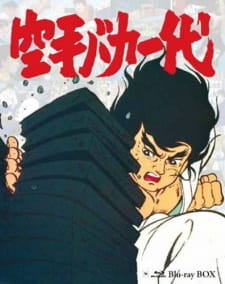
Karate Master Director de arte TV · 1973
-
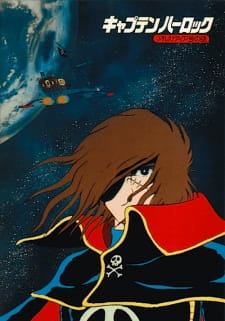
Space Pirate Captain Harlock: Riddle of the Arcadia Episode Director de arte Película · 1978
-
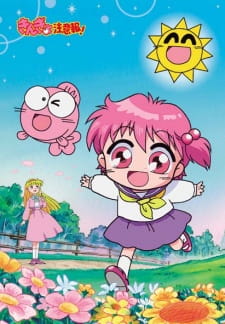
Goldfish Warning! Director de arte TV · 1991
-
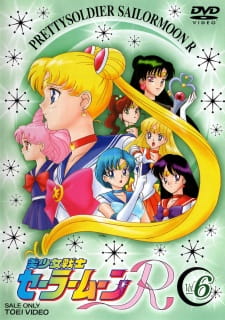
Sailor Moon R Director de arte TV · 1993
-
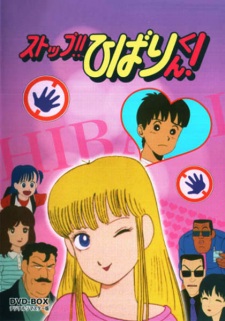
Stop!! Hibari-kun! Director de arte TV · 1983
-
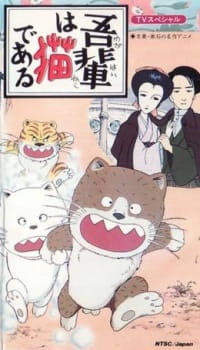
Wagahai wa Neko de Aru Director de arte 1982