


戻る
紹介
Miyazawa was born in what is now Hanamaki city, Iwate Prefecture as the eldest son of a wealthy pawnbroker. From an early age, he was disturbed by what he perceived to be the social inequity between his well-to-do family and the impoverished farmers in the area from whom his family profited by lending them money.
From 1926 until his death in 1933, Miyazawa struggled to improve the material and spiritual life of the impoverished peasants of his native Iwate. He introduced new agricultural techniques and new varieties of seeds. He left his position as instructor at Hanamaki Agriculture School in 1926 to establish the Rasu Farmers Association. At the detached house of his family, where he was staying at the time, he gathered a group of youths from nearby farming families and lectured on agronomy. The association also engaged in plays, music, and other cultural activities.
His writings from this period show sensitivity for the land and for the people who work in it. A prolific writer of children's stories, many that appear superficially to be light or humorous, all contain stories intended for moral education of the reader. He wrote some works in prose and some stage plays for his students and left behind a large amount of tanka and free verse, most of which was discovered and published posthumously. His poetry, which has been translated into numerous languages, has a considerable following to this day. A number of his children’s works have been made into animated movies (anime) in Japan.
(Source: Wikipedia)
スタッフ参加作品 22
-
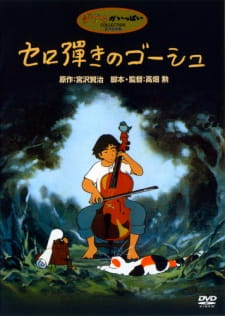
セロ弾きのゴーシュ 原作 映画 · 1982
-
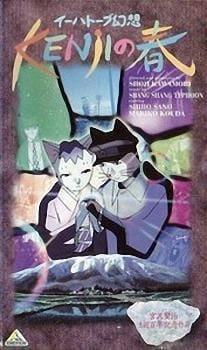
イーハトーブ幻想 Kenjiの春 原作 映画 · 1996
-
よだかの星 原作 映画 · 2013
-
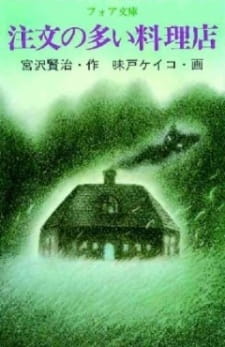
注文の多い料理店 原作 映画 · 1991
-
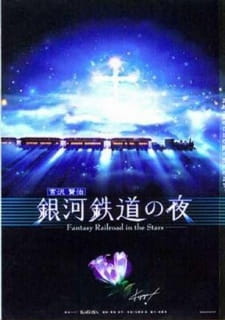
銀河鉄道の夜 -Fantasy Railroad in the Stars- 原作 映画 · 2006
-
新しい動画 3つのはなし 原作 1960
-
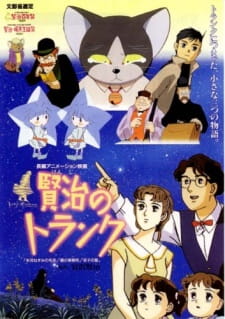
賢治のトランク 原作 映画 · 1996
-
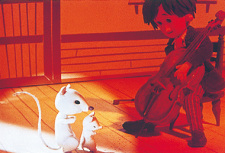
セロひきのゴーシュ 原作 映画 · 1963
-
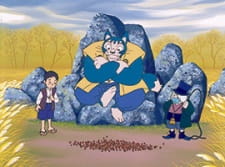
どんぐりと山猫 原作 OVA · 1995
-
セロひきのゴーシュ 原作 OVA · 1998
-
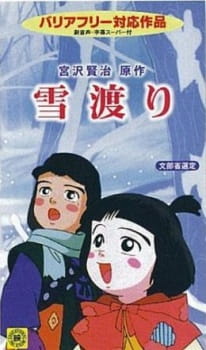
雪渡り 原作 映画 · 1994
-
グスコーブドリの伝記 原作 映画 · 2012
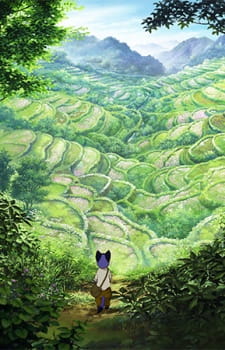
-
種山ヶ原の夜 原作 映画 · 2006
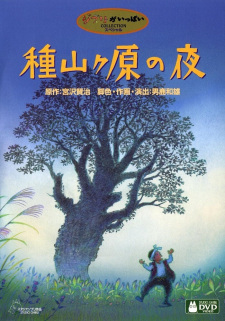
-
風の又三郎 原作 映画 · 2016
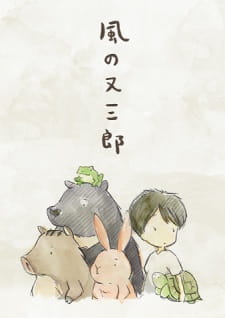
-
蠕虫舞手 原作 映画 · 2004
-
よだか 原作 映画 · 2023
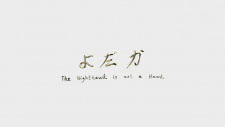
-
注文の多い料理店 原作 映画 · 1993
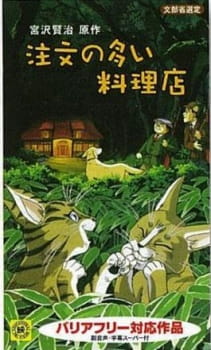
-
グスコーブドリの伝記 原作 映画 · 1994
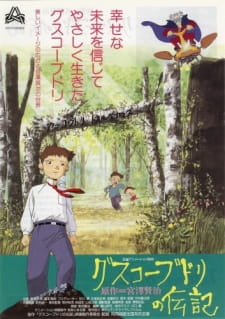
-
宮沢賢治作品集 どんぐりと山猫 原作 OVA · 1988
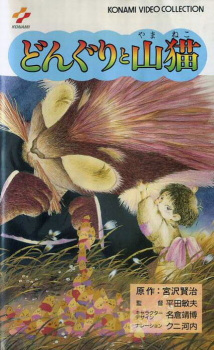
-
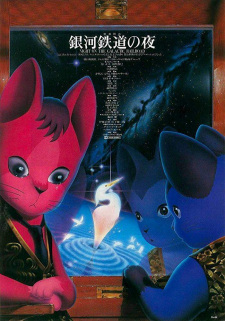
銀河鉄道の夜 原作 映画 · 1985
-
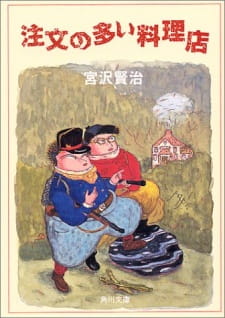
注文の多い料理店 原作 映画 · 1958
-
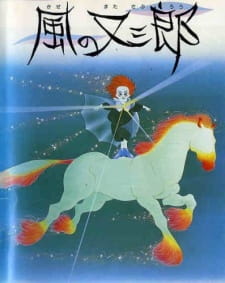
風の又三郎 原作 OVA · 1988